DMoose 6-Inch Auto-Lock Lifting Belt

This belt is crafted from premium neoprene and nylon materials to withstand intense workouts, balancing durability with flexibility for lasting comfort. The 6-inch back support provides stability during heavy lifts such as squats, deadlifts, and Cross Training, making it an excellent choice for serious weightlifters who integrate lifting into running-focused training. The combination of sturdy construction and supple material helps reduce fatigue during longer sessions and demanding sets.
A durable hook-and-loop closure allows easy adjustment, ensuring a snug, secure fit for any body size. The secure closure helps maintain proper form during lifts and quick transitions between exercises. Whether you’re building strength on leg day or performing compound movements, this belt aims to support safer, more efficient lifting while you train as a runner.
Gymreapers Lifting Wrist Straps

These lifting straps provide next-level grip support for deadlifts, shrugs, pulls, and other pulling movements. Thick neoprene padding around the wrist, reinforced nylon webbing, and a strongly coated metal hook contribute to a secure, slip-resistant grip. The straps are designed to help you push through grip fatigue, allowing you to maintain form on challenging sets while running-focused training includes heavy lifting days.
Durable construction is built to last through tough workouts, with extended length designed to accommodate various setups. The no-slip design and premium materials give lifters confidence during PR attempts and high-volume sessions, making them a practical addition to a cross-training routine that blends running with resistance training.
Modetro Knee Compression Sleeve
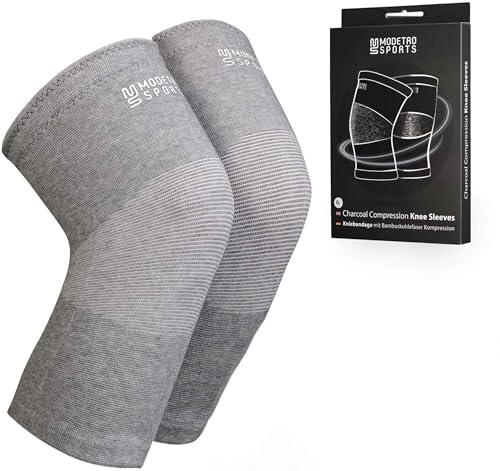
The Modetro knee sleeve offers a comfy, breathable compression layer to support the knee during training. The blend of nylon, polyester, and elastane provides airflow and full range of motion, while the S-XL sizing helps ensure a proper fit for many body types. The sleeve is designed to ease discomfort associated with ACL & MCL issues and general joint pain, promoting confident movement during running and lifting sessions.
Breathable construction helps keep you comfortable through varied workouts, and the sleeve is designed to stay in place during dynamic movements. A secure fit reduces chafing and distraction, making it a solid option for runners who blend intervals, hills, and strength work with knee-friendly support during sessions.
Zikopomi Weighted Vest
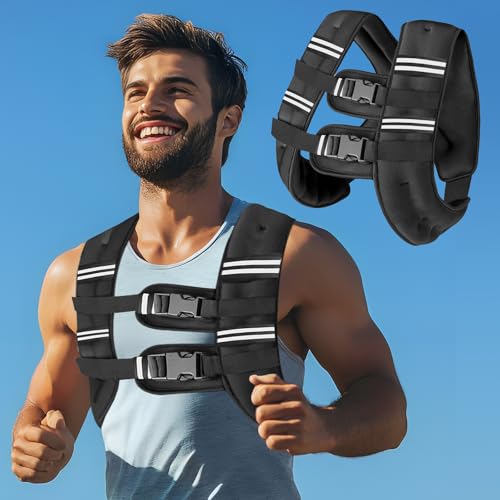
The Zikopomi weighted vest adds an adjustable challenge to workouts with weights of 8, 12, 16, and 20 pounds. This versatility supports a range of training intensities for runners who want to increase resistance during tempo runs or strength days. The vest uses durable neoprene fabric and iron sand weights, paired with a double-stitched design for added durability and longevity.
Even weight distribution helps maximize workout efficiency while minimizing injury risk. The vest is designed to stay secure during movement, making incline runs, hill repeats, and conditioning sessions more effective for runners seeking to build strength and endurance without changing their running form drastically.
Runner’s World Complete Book Of Women’s Running

The Runner’s World Complete Book Of Women’s Running offers comprehensive guidance for getting started, staying motivated, losing weight, and training for various race distances. It serves as a practical resource for balancing running with strength training, injury prevention, and safe progression in workouts. The book’s strength and cross-training sections provide runners with actionable plans that integrate resistance work into a running routine.
As a reference, it complements gear choices by outlining how to structure workouts for endurance and speed while maintaining recovery. Readers can apply the guidance to tailor a balanced program that aligns with personal goals, whether improving running economy or adding muscle to support performance on the run.
Buying Guide
Key Purchase Considerations For Runners
- Training goals and tone: Align gear with your running plus strength objectives. A knee sleeve supports joints; a weighted vest adds load during runs and workouts; a belt aids heavy lifting safety; straps and hooks enhance grip for accessory work; books provide plan guidance.
- Fit, sizing, and adjustability: Look for adjustable belts and straps, plus sizes that accommodate different body types. A knee sleeve should match your knee circumference, and a weighted vest should fit securely without restricting movement.
- Materials and comfort: Prioritize breathable fabrics, moisture-wicking materials, and comfortable padding. For runners, airflow and a snug but flexible fit reduce distraction during workouts.
- Durability and construction: Seek reinforced stitching, quality webbing, and long-lasting velcro or closures. Runners who cross-train need gear that stands up to repeated use across running sessions and gym days.
- Intended use and safety: Consider how each item will be used—lifting days, hill work, or tempo runs—and follow safe usage guidelines to prevent injuries. Proper form remains essential even with supportive gear.
- Maintenance and care: Check washing instructions for neoprene, padding, and fabric blends. Proper care extends the life of equipment used during sweaty workouts.
- Budget and value: Prioritize gear that offers durability and relevance to your routine. A mix of essential items (knee support, weight vest) plus quality accessories (grips) often yields the best return.
Gear-Specific Recommendations
- Knee health: For runners with knee sensitivity, consider knee compression sleeves to support joints during runs and light lifting days.
- Strength training integration: A weighted vest can increase training intensity for runs and conditioning days, while a lifting belt supports heavy lifts for strength-building cycles.
- Grip and pulling work: Lifting straps or hooks help you complete back and pulling movements when grip fatigue appears, enabling better form and progression.
- Reference and guidance: A comprehensive running book can help structure strength routines, recovery strategies, and injury prevention, complementing gear choices with a well-planned approach.
- Balance and progression: Start with manageable loads and gradually increase weight or resistance to avoid overtraining while ensuring steady gains in running performance and strength.
How To Pair Gear With Training
Begin with baseline runs and light strength sessions to establish a rhythm. Introduce knee sleeves or lightweight resistance first, then progressively add load with a weighted vest on non-peak running days. Use the lifting belt on lower-body heavy lifts to improve core stability and form. Keep grip accessories handy for back and pulling movements. Consult the running book for structured plans that weave these tools into a coherent weekly schedule.