When you’re hitting the water, keeping gear dry is as important as staying on course. This guide compares top waterproof bags ideal for kayaking, rafting, boating, and coastal adventures. Each option combines tough materials, reliable sealing, and comfortable carrying. Use the quick-reference table below to compare core specs at a glance.
| Product | Brand | Capacity | Key Benefit |
|---|---|---|---|
| Earth Pak Waterproof Dry Bag | Earth Pak | 10L-55L | Trusted roll-top design with added IPX8 phone case |
| Unigear Dry Bag | Unigear | 2L-40L | Strong welded seams; versatile carry options |
| Pimoys Dry Bag | Pimoys | 25L | Reflective safety strips; durable PVC material |
| STOVER Dry Backpack | STOVER | 5L-55L | Floating design with organized storage |
| OMGear Waterproof Dry Bag Backpack | OMGear | 5L-40L | Strong straps; multiple size options; floating |
Earth Pak Waterproof Dry Bag

Earth Pak’s dry bag is a staple for water enthusiasts, featuring a durable roll-top design to seal out moisture. The bag’s construction emphasizes long-term reliability, with a five-year warranty that reassures users during multi-day trips. Shoulder straps come in sizes aligned with capacity, and larger models add sternum and waist straps to stabilize heavier loads. An IPX8-certified waterproof phone case is included, enabling safe photography and quick access to essentials without exposing valuables to water. The product is compatible with kayaking, boating, rafting, and paddleboarding activities, making it a versatile option for varied water conditions.
Unigear Dry Bag

Unigear offers a rugged, 100% waterproof solution built with stiff 500D PVC and welded seams to prevent leaks. A roll-top closure delivers a secure seal, while the design emphasizes abrasion resistance for repeated use in boating, paddling, and hiking contexts. Available in multiple volumes, from compact 2L packs to larger 40L backpacks, Unigear provides flexible carrying options—single strap for smaller sizes or two straps on larger models. The bag’s reflective accents improve nighttime visibility during outdoor expeditions, enhancing safety on river routes or dimly lit shorelines.
Pimoys Dry Bag

The Pimoys 25L dry bag focuses on roomy capacity for longer trips, enabling 2–3 days of clothing and essentials to stay dry. The bag uses waterproof 500D PVC mesh material designed to resist wear, dust, and moisture. Adjustable double shoulder straps provide ergonomic support and help balance loads on uneven terrain or when paddling through rapids. Reflective strips enhance nighttime visibility, contributing to user safety on rivers, lakes, and coastal routes. Pimoys targets kayakers and boaters who need reliable wet-weather gear storage without adding unnecessary bulk.
STOVER Waterproof Dry Backpack

STOVER emphasizes versatility with a floating, heavy-duty dry bag design that comes in multiple sizes, including 5L and up to 55L. The backpack format adds organized storage through a front wet/dry pocket and adjustable cargo straps for easy access to essentials. A reliable roll-top closure system helps create a tight water barrier, while the floating feature provides a safety net if the bag slips overboard. This makes it a practical choice for a wide range of kayaking, rafting, or beach activities where quick access to gear and quick drying are advantages.
OMGear Waterproof Dry Bag Backpack
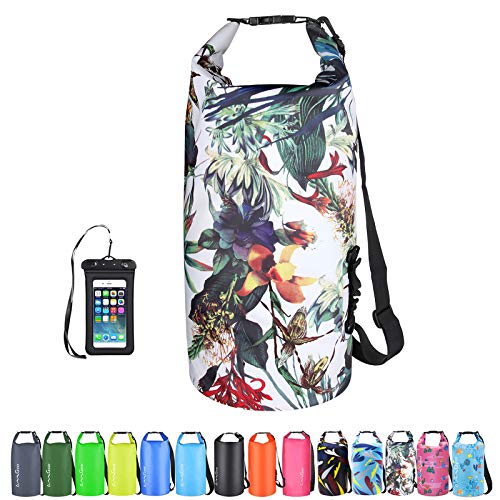
OMGear combines robust materials with a flexible size range, providing 5L–40L options. The 500D tarpaulin PVC construction offers strong waterproof protection, while the waterproof phone pouch uses ABS+PVC with a reinforced entry. The brand also emphasizes comfort through strong, adjustable straps and EVA padding for longer carries. For paddlers, OMGear’s lineup supports floatation for some models, reducing the risk of losing gear if a bag is dropped overboard. The combination of secure closures, durable fabrics, and practical carrying options makes it a solid, all-terrain choice for kayaking and sailing alike.
Buying Guide: Key Considerations For Choosing A Kayak Dry Bag
- Capacity and packing style — Choose a size that fits your typical trips, balancing dry storage with comfortable portability. For day trips, 5–15L is often sufficient; longer expeditions may need 25–55L.
- Sealing method — Roll-top closures with welded seams are common; ensure a watertight seal and consider bags that offer additional closure systems for extra protection on rough water.
- Material durability — Look for thick PVC tarpaulin or 500D PVC fabric, reinforced seams, and abrasion resistance to withstand rocky shores and frequent handling.
- Carrying options — Single straps work well for smaller bags, while multiple straps, sternum belts, and waist straps enhance stability on moving water and long carries on shore.
- Floating capability — Some bags float when sealed, which can prevent loss if dropped in water. This is especially helpful for open-water kayaking.
- Safety features — Reflective strips improve visibility; integrated phone cases provide safe, dry access to devices and maps while on the water.
- Maintenance — Materials that wipe clean easily and resist mold or mildew are practical for frequent water use and humid environments.
- Warranty and support — Brands offering warranties reflect confidence in durability and provide reassurance for outdoor investment.
When selecting a waterproof bag for kayaking, consider how you will pack, the typical environments you’ll encounter, and how you want to access gear on the water. The options above cover a range of capacities, from compact 2L pouches to larger 55L backpacks, ensuring you can find a solution that protects essentials while staying comfortable on the move.