For backpackers and ultralight hikers, a compact sleeping pad is essential for warmth and comfort without adding bulk. The following five pads represent strong choices for weight-conscious campers, offering diverse warmth levels, pack sizes, and construction details. This guide compares key specs like weight, R-value, thickness, and included features to help you pick a pad that matches your adventure, climate, and loading capacity.
To help you scan quickly, a summary table below highlights each option’s practical metrics. All selections emphasize lightweight, insulating performance, and durable materials designed for regular outdoor use in American conditions.
| Product | Brand | Weight (oz) | R-Value | Thickness (in) |
|---|---|---|---|---|
| Naturehike Ultralight Insulated Sleeping Pad R5.8 | Naturehike | 19.8 | 5.8 | 3.2 |
| Naturehike 20oz Ultralight Sleeping Pad With Sidewalls | Naturehike | 20 | 6.5 | 3.94 |
| Hikenture Camping Sleeping Pad | Hikenture | 24.5 | 6.2 | 3.2 |
| Sea to Summit Ultralight Insulated Pad | Sea to Summit | Not listed | 3.1 | 2.0 |
| Big Agnes Rapide SL | Big Agnes | Not listed | Up to 4.8 | 3.5 |
Naturehike Ultralight Insulated Sleeping Pad R5.8

The Naturehike R5.8 ultralight pad emphasizes warmth with a certified high R-value of 5.8. It uses a three-dimensional heat-reflective structure and multiple layers to minimize heat loss to the ground, delivering dependable warmth for shoulder seasons and cool nights. The design keeps weight modest, with a compact form that compresses well for backpacking. The pad thickness measures about 3.2 inches, helping to cushion the body while still packing down into a small footprint. A lightweight build and durable fabric make it suitable for frequent wilderness use across varied terrains.
Construction highlights include a hexagon-style reinforcement and an E-LAST coating for durability. The pad inflates to a comfortable surface that reduces pressure points across the hips and shoulders. At roughly 19.8 ounces, it offers a balance of warmth and portability ideal for climbers and backpackers who want reliable insulation without extra bulk. Its rugged 40D nylon shell supports repeated inflation cycles and long-term use in outdoor environments.
Naturehike 20oz Ultralight Sleeping Pad With Sidewalls
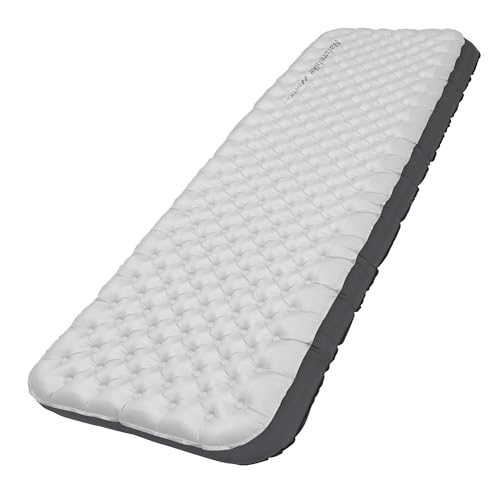
This Naturehike option weighs about 20 ounces and features a generous 6.5 R-value, providing solid warmth for three-season use. Its 10-centimeter thickness (roughly 3.94 inches) offers ample cushioning while remaining remarkably compact when packed. The sidewall design helps prevent rolling off the surface, increasing stability on uneven ground and in tent corners. The pad compresses to a small pack size, making it a strong pick for hikers who prioritize warmth and compactness without compromising weight.
Materials emphasize durability and low-temperature resilience, with a 20D nylon and TPU construction that helps resist punctures and wear. The pad’s heat-reflective structure aids warmth retention without excessively increasing weight. While the exact packed dimensions aren’t listed here, the overall footprint is designed for efficient packing in day packs and larger backpacks alike, making it a versatile choice for travelers who swap between spring twilight hikes and cool alpine evenings.
Hikenture Camping Sleeping Pad 6.2 R-Value

Hikenture’s pad brings a high warmth factor with a tested R-value of 6.2 and a thickness around 3.2 inches. It weighs about 1.53 pounds (24.5 ounces), which makes it a strong option for hikers who want warmth without carrying a heavy pad. The 2-in-1 storage bag design helps with compact packing, and the pad includes two repair patches for on-trail maintenance. The surface is designed to distribute weight evenly, reducing pressure points and minimizing bottoming-out when lying or sitting.
In terms of design, Hikenture emphasizes reliability and ease of use, with a built-in approach that supports quick setup and breakdown. Its construction materials balance durability with lightness, suitable for varied conditions from cool nights in forested terrain to breezy mountaintops. The pad’s insulation and structure aim to maintain warmth across seasons while staying accessible to hikers who want straightforward inflation and dependable comfort.
Sea To Summit Ultralight Insulated Pad
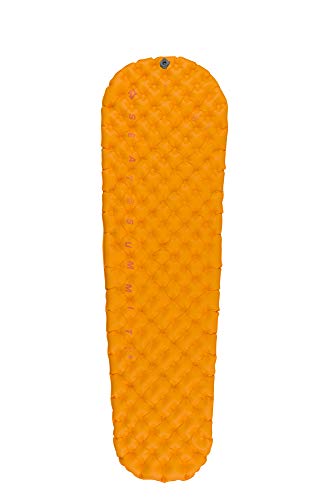
Sea to Summit’s ultralight insulated pad focuses on a balance of portability and warmth. It provides about a 3.1 R-value, designed for late spring to early fall use. The inflatable surface follows an Air Sprung Cell concept, which aims to spread weight evenly and reduce pressure points. The pad includes a multi-function valve for fast inflation and a one-way deflation process, plus an integrated Airstream Pumpsack for quick setup, enabling fast, efficient camp routines after a long day on the trail.
The combination of 2-inch thickness and lightweight materials keeps the pad compact enough for ultralight backpacking, while the insulation helps mitigate cold ground. This pad suits campers who prioritize ease of setup and quick packdown, as well as travelers who move between climates where warmth is a concern but full winter gear isn’t always necessary.
Big Agnes Rapide SL

Big Agnes’ Rapide SL sits at a compelling warmth-weight balance point with insulation technology rated up to 4.8 in R-value. The pad employs two layers of heat-reflective film and a quilted top, which creates a cushioned sleeping surface while keeping the overall structure lightweight. The I-Beam construction offsets weight while maintaining stability and even support, and the pad’s outer chambers are larger to cradle the sleeper comfortably without the typical air mattress bounce. Thickness sits around 3.5 inches, contributing to a more comfortable feel on rough ground.
Durability is a focus, with a rugged, lightweight nylon shell and aviation-grade TPU lamination. This combination supports long-term use in varied weather while maintaining packability. The Rapide SL is designed for hikers who want reliable warmth for three-season trips and are willing to trade some extra weight for greater durability and comfort. A pump sack is included on some models, helping with fast inflation in the field.
Buying Guide
Choosing the right ultralight sleeping pad involves weighing warmth, weight, and packability against your typical trip conditions. The pads above illustrate a spectrum of options from very warm, lightweight designs to more compact pads that trade some warmth for minimal weight. Here are key purchase considerations to help you compare models and select the best fit for your needs.
- Weight vs warmth: Higher R-values generally mean more insulation, which often adds weight or bulk. If you hike in reliably mild conditions, a pad with R around 3–4 may be sufficient. For shoulder-season trips or high elevations, R-values of 5 or more become advantageous, even if the pad is slightly heavier.
- R-value and seasonality: Look at your local climate and typical sleeping temps. Pads with R-values around 5–6 are robust for cold nights, while pads with 3–4 are commonly used for three-season camping. Consider layering with a compact closed-cell foam pad for extra warmth in extreme cold.
- Thickness and comfort: Thickness affects comfort and stability. Thicker pads cushion joints and reduce ground heat exchange but can be slower to inflate and slightly heavier. If you move often, a moderate thickness (about 3–4 inches) often provides a good balance.
- Inflation method and ease of setup: Some pads rely on built-in pumps, foot pumps, or external pumps. Built-in pumps speed up setup but may add weight or complexity. Pumpsacks and repair patches are convenient extras to have on longer trips.
- Durability and materials: Ultralight pads typically use nylon shells with TPU coatings. Look for heat-reflective films or multi-layer constructions if you’ll camp in variable conditions. Check for puncture resistance and repair options in case of field damage.
- Packability and size: A pad’s packed size matters for backpacking. Compare packed dimensions to your pack’s available space. Some pads compress to very small diameters, while others require more space but yield higher warmth or durability.
- Compatibility with sleeping system: Consider how the pad will pair with your sleeping bag or quilt and your tent floor. Sidewalls or raised edges can help prevent rolling off, especially in smaller tents or on uneven ground.
- Warranty and service: Reputable brands offer warranties and responsive customer service. This is important if you rely on gear in remote areas and want long-term support for repairs or replacements.
- Maintenance and care: Clean pads after use to prevent dirt buildup and abrasion. Dry thoroughly before packing, and repair any punctures promptly using the included patches or brand-specific repair kits.
When evaluating these options, prioritize the pad that best aligns with your typical trip profile. Weekend treks in dry, mild weather may benefit from a lighter, less warm pad, while longer expeditions in cold environments warrant higher R-values and robust fabrics. The five pads above provide representative choices across warmth, weight, and design philosophies—from Naturehike’s high-R, ultra-light builds to Big Agnes’ cushioned, durable option for longer ventures.