Finding the right trail running vest can make a big difference on rugged terrain across the United States. This guide spotlights five top vests that balance light weight, reliable hydration, and practical storage. Each model below is suited for long runs, day trips, and race days, with capacities chosen to fit a range of distances and climates. Read on to compare fit, pockets, ventilation, and accessibility, and use the buying guide to pick the best fit for your trail routine.
We focused on versatile vests that work well for varied US climates—from dry desert trails to damp mountain paths. The five selections include race-ready 12 L options and compact 5 L packs with bladder systems, ensuring options for both speed-focused days and longer outings. Whether you run in summer heat or cool conditions, these vests provide secure support, easy hydration access, and ample storage without excessive bulk.
| Product | Brand | Capacity | Key Features |
|---|---|---|---|
| Salomon Advance Skin Vest | Salomon | 12 L | Sensifit wrap; Y-shaped back; 10+ pockets for quick access |
| Nathan TrailMix Vest | Nathan | 7 L | No-bounce design; 2 L bladder included; reflective; lightweight |
| AONIJIE 5L Hydration Vest | AONIJIE | 5 L | 9 exterior pockets; breathable back; fully adjustable straps |
| CamelBak Trail Run Vest | CamelBak | Bladder 34 oz | 3D Vent Mesh; secure phone pocket; dual adjustable chest straps |
| UTOBEST 5L Running Vest | UTOBEST | 5 L | 1.5 L bladder; 5 L storage; breathable; tube buckle for stability |
Salomon Advance Skin Vest
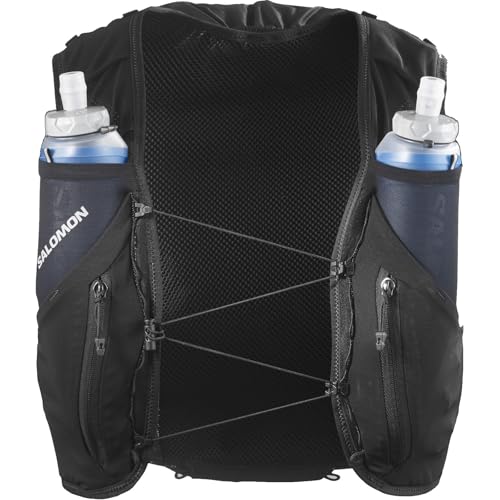
The Salomon Advance Skin Vest is designed for trail runners seeking a snug, race-oriented silhouette without sacrificing storage. The 12 L capacity accommodates gels, a lightweight jacket, a compact emergency kit, and essential layers, while easy hydration access keeps pace uninterrupted. The Sensifit system wraps the torso with flexible fabric and stretch panels to maintain stability on uneven terrain, and the redesigned Y-shaped back distributes weight evenly to minimize bounce during climbs and descents.
This vest emphasizes organization with a broad range of pockets. It features multiple front stretch pockets and a back compartment that help keep items secure and accessible while on the move. The overall package prioritizes ventilation and comfort, making it suitable for long training days and hot-weather miles alike.
Nathan TrailMix Vest
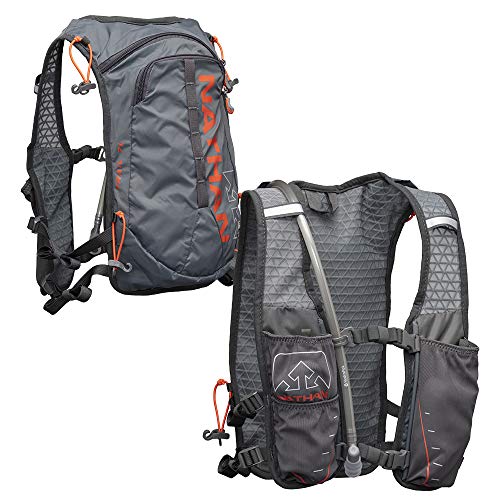
Nathan’s TrailMix Vest emphasizes a lightweight, no-bounce experience ideal for mid- to long-distance runs. The ergonomic mesh construction promotes airflow while reducing moisture buildup on the back. It performs as a running vest with a water bladder and doubles as a hydration pack, making it a practical option for runners who want added capacity without bulk. The design includes reflective elements to enhance visibility during dawn or dusk runs and a snug fit that moves with you across varied terrain.
Designed for versatility, this vest balances storage with comfort. It offers a storage-friendly layout that helps keep commonly used items within easy reach, and the overall weight remains light enough to minimize fatigue on extended sessions. Before a race or a long day on the trails, ensure the fit is snug and adjust the straps for a stable, bounce-free experience.
AONIJIE 5L Hydration Vest

The AONIJIE 5L vest delivers a compact option for runners who prefer a lighter setup with essential storage. Weighing about 190 g, this vest aims to minimize load while still offering nine exterior pockets for gels, keys, phone, and small accessories. The back and shoulder areas use breathable mesh to promote airflow, helping to manage heat during warmer days on the trail. The fully adjustable straps ensure a secure fit for a wide range of torso lengths, reducing movement on rugged trails.
With a focus on accessibility, this model emphasizes quick access to items without removing the pack. Its lightweight design makes it a strong candidate for tempo runs, technical sections, or shorter ultramarathons where speed and efficiency are priorities. The vest’s simplicity can be a benefit for runners who prefer fewer compartments but reliable function when it matters most.
CamelBak Trail Run Vest

The CamelBak Trail Run Vest focuses on airflow and straightforward access. The 3D Vent Mesh panel keeps the back cool during hot runs, while the secure phone pocket ensures devices stay protected yet accessible. Dual adjustable chest straps let you dial in a stable, comfortable fit, reducing bounce on rough terrain. For many runners, this design offers a dependable balance of hydration, storage, and freedom of movement on long training days or race efforts.
Hydration is convenient with a bladder-equipped system that supports extended sessions. Pockets are arranged to keep gels, keys, and small essentials within easy reach, so your hands remain free for trekking poles, a trekking route map, or a snack. The vest’s construction emphasizes durability and simplicity, appealing to trail runners who value reliability over a feature-heavy setup.
UTOBEST 5L Running Vest

The UT0BEST 5L Running Vest emphasizes lightweight efficiency with a practical 5 L storage capacity and a 1.5 L water bladder. The tube buckle design keeps the hydration tube in place for uninterrupted movement, while breathable mesh and durable nylon build provide comfort during extended sessions. This vest strikes a balance between low weight and sufficient hydration—well-suited for tempo runs, shorter ultramarathons, or training days where minimization of bulk is a priority.
With front flask pockets and multiple compartments, the UT0BEST vest supports easy access to hydration and essentials without sacrificing stability. The combination of a compact footprint and a reliable hydration setup makes it a strong option for runners who prioritize speed and efficiency on a wide range of trail conditions.
Buying Guide
Choosing a trail running vest involves balancing fit, capacity, hydration, and durability. The right model depends on your typical run length, climate, and terrain. For hot climates or longer endurance sessions, prioritize ventilation and a hydration system that’s easy to use on the move. For daily workouts or shorter races, a lighter 5 L vest with a streamlined pocket layout can minimize fatigue while still offering essential storage. Consider your torso length, shoulder width, and whether you prefer a bladder or bladder-free design. The following considerations help map models to your needs.
Fit and Comfort
Fit is the foundation of a comfortable vest. Look for fully adjustable shoulder and chest straps, a secure hip belt if available, and back panels that promote airflow. Races and long runs demand a snug, bounce-free experience, so check whether the vest uses a Sensifit-style wrap, a Y-shaped back, or a dedicated harness. For runners with a larger chest or broader shoulders, ensure the straps don’t pinch or ride up during movements like steep ascents or sharp turns. If possible, try on and walk or jog in the vest before committing.
Capacity And Weight
Vest capacity should align with your normal running distance and weather. A 5 L model suits tempo runs, short training days, and mild climates, while 7–12 L packs support longer adventures and colder conditions where you might need extra layers. Lighter vests reduce fatigue but limit storage; heavier packs provide more space yet require careful fit to prevent chafing. Assess whether you need room for a spare layer, snacks, a first-aid kit, or a compact rain shell, and pick a balance between weight and volume that’ll stay comfortable over miles.
Hydration System And Accessibility
Hydration options vary: some vests include a bladder (commonly 1.5–2 L or 34 oz bladder), others rely on bottles stored in front pockets or on the sides. Front access pockets are a major convenience, enabling quick sips without removing the pack. Test bite valves and strapping to ensure the tube stays in place and doesn’t flap during running. Consider the habit of carrying a phone or GPS device and whether a secure phone pocket is included. Accessibility of the hydration system directly affects pacing and effort during challenging segments.
Pockets, Organization, And Accessibility
Look for a layout that matches your gear needs. Models with multiple front pockets, back compartments, and secure zippers help keep gel packs, keys, cash, and maps organized. If you ride or run in low-visibility conditions, reflective accents add safety. A high number of pockets is beneficial, but only if they are logically arranged and easy to reach while moving. Test the ease of reaching your items and consider whether additional features (like a hidden phone pocket or bottle loops) add real value for you.
Materials, Durability, And Weather
Materials influence comfort and longevity. Lightweight nylon and breathable mesh balance flexibility and durability, while reinforced zippers and durable buckles improve resilience on rugged trails. If you frequently encounter rain or mist, choose fabrics with moisture-wicking properties and consider how quickly you can dry out after a wet session. Ventilation is critical in humid climates, so prioritize mesh backs and open-channel designs. For regular use and rough terrain, a durable build reduces wear over time.
Brand, Price, And Value
Brand reputation and price often correlate with fit consistency and feature sets. Reputable brands may offer longer warranties, more consistent sizing, and better after-sales support. Compare models by total cost of ownership, including bladder replacements, spare parts, and potential maintenance. In many cases, the best value comes from selecting a vest that fits your body well and provides reliable hydration and organization, even if it costs a bit more upfront. Consider your typical run length, frequency, and the environments you train in when weighing options.
Across these five models, the Salomon Advance Skin Vest and Nathan TrailMix Vest are strong choices for runners seeking higher capacity and more pockets, suitable for longer days on challenging trails. AONIJIE’s 5 L option fits those who value a lighter, simpler setup with ample storage in a compact form. CamelBak’s vest emphasizes airflow and easy accessibility, ideal for warm weather and longer training sessions, while UT0BEST provides a balanced, budget-friendly 5 L option with a reliable bladder system. Your best pick depends on how you prioritize weight, volume, and hydration access on your most common routes.