Skate skiing demands boots that balance warmth, control, and a precise fit. The right pair enhances glide, power transfer, and comfort on long Nordic sessions. This guide highlights five top skate ski boots and a practical buying guide to help you choose the best option for your skill level and terrain. From growing-foot options for kids to high-volume fits for adults, these selections emphasize fit, durability, and performance across varying conditions.
| Product | Brand | Notable Feature |
|---|---|---|
| Roces Idea Up Adjustable Ski Boots | Roces | 6in1 growth tech; mondopoint 22.5–25.5; three micro-adjust buckles |
| Fischer Women’s RCS Skate Boots | Fischer | 104-mm last; Triple-F Membrane; moisture protection; easy on/off |
| K2 BFC 80 Mens Ski Boots | K2 | Flex 80; 103-mm last; balanced everyday performance |
| Nordica | 104-mm last; high-volume comfort; easy entry/exit | |
| Ski Boot Remover Tool | Ski Boot Sport Grip | Universal boot removal; lightweight; travel-ready |
Roces Idea Up Adjustable Ski Boots

Roces Idea Up boots are designed with growing feet in mind, featuring 6in1 technology that adapts as young skiers develop. The mondopoint range of 22.5 to 25.5 (US Men’s 4.5–7.5, US Women’s 5.5–8.5) makes these a single purchase for multiple seasons, reducing the need for frequent replacements. Three micro-adjustable buckles lock in a precise fit, promoting consistent power transfer and control for young athletes practicing skate technique. The boot’s lightweight construction helps maintain agility on the trails, while the adjustable setup accommodates foot growth without compromising stability.
Fischer Women’s RCS Skate Boots

Fischer’s RCS Skate boots for women emphasize a roomy, performance-ready fit. The 104-mm last supports a comfortable, high-volume forefoot, reducing pressure points during long skating sessions. A breathable Triple-F Membrane helps keep moisture out, while insulation offers warmth without bulk. Lace covers protect the opening from snow intrusion, and a sealed zipper system further guards against moisture penetration. The ergonomic cuff provides stable side hold with ample front-to-back movement, and Velcro closures allow quick micro-adjustments. The boot’s design prioritizes warmth, dryness, and easy on/off for skaters who value reliability on varied Nordic terrain.
K2 BFC 80 Ski Boots
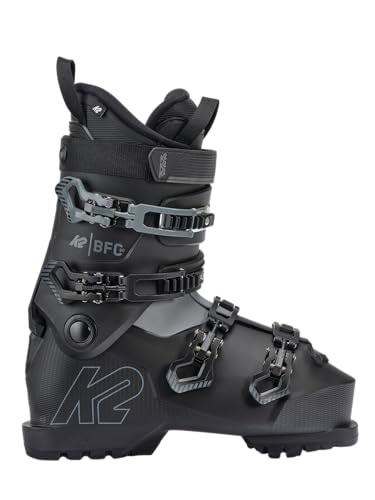
K2’s BFC 80 boots strike a balance between performance and everyday comfort. With a flex rating of 80, these boots offer a responsive feel for skate techniques while remaining forgiving for skiers still dialing in their form. A 103-mm last provides a reasonably generous fit that accommodates broader feet without sacrificing control. This combination is suitable for intermediate to advanced skaters who seek predictable power delivery, dependable stability, and dependable durability across mixed snow conditions.
Nordica The Cruise Ski Boots

The Cruise from Nordica emphasizes a high-volume, easy-to-fit experience for all-mountain skiers who also enjoy Nordic skate sessions. The 104-mm last supports wider feet while maintaining precise control, and the dual soft flap instep opens the boot’s throat widely for effortless entry and exit. Micro-adjustable aluminum shell and cuff buckles provide secure closure and long-term durability. This boot is designed for skiers who want a versatile option that performs well on groomed trails and dry, cold days alike without compromising comfort or ease of use.
Ski Boot Remover Tool

This heavy-duty boot remover tool offers an ergonomic handle and a universal design that complements a wide range of footwear, including ski boots, snowboard boots, ice skates, and inline skates. It helps reduce strain during boot removal whether you’re seated or standing, making post-slope transitions smoother. Its portable, travel-friendly size fits into lockers and boot bags, serving as a practical accessory to support comfort and safety on and off the slopes.
Buying Guide
Choosing skate ski boots involves balancing fit, function, and terrain. Start by identifying your skating style, foot width, and typical conditions. A boot with an appropriate last width and stiffness will help you maintain control, reduce fatigue, and improve power transfer on icy or variable snow. Consider growth potential for kids, moisture management for long sessions, and the ease of putting on and taking off boots in chilly weather. This buying guide outlines key considerations and how they apply across the boots above, helping you weigh options without sacrificing comfort or performance.
- Fit and last width: Look for a last width (often 103–104 mm for many skate boots) that matches your foot width. A wider last increases comfort on longer rides but can affect precision during aggressive movements.
- Flex and stiffness: Flex ratings influence responsiveness. Higher flex suits aggressive skaters who demand quicker energy transfer, while moderate flex benefits beginners and skaters focusing on endurance and technique development.
- Growth and adjustability: For kids, models with grow-with-you features save money and keep performance consistent as feet develop. Mondopoint sizing helps refine fit beyond standard sizes.
- Moisture management: Breathable membranes, moisture-wicking linings, and moisture-blocking zippers extend warmth and comfort on damp days. Insulation should balance warmth with breathability to avoid overheating.
- Closure systems: Micro-adjust buckles, Velcro closures, and power straps influence hold and ease of use. For beginners, a boot that’s easy to don and doff reduces frustration on the trail.
- Weight and durability: Lighter boots improve stride efficiency, but durability matters for frequent use. Examine materials, stitching, and buckle hardware for long-term performance.
- Maintenance and care: Regularly dry boots after snow exposure, clean dirt from buckles, and store them dry to prevent odor and degradation. Consider accessories like boot removers and odor absorbers to support care.
- Budget versus value: Higher-priced boots often offer better fit, warmth, and durability. Prioritize fit and performance over price for long-term satisfaction, and weigh the long-term value against upfront costs.
When comparing options, match the boot to your terrain and experience level. Beginners may prefer wider last widths and easier entry systems, while more experienced skaters can benefit from stiffer shells and more precise buckling. For youth skaters, growth-adjustable models ensure continued performance as feet grow. Remember that the best boot for you is the one that feels secure, supports your technique, and keeps you comfortable across a full day of skating.