For larger paddlers, finding a sit-in kayak with enough capacity, width, and a supportive seat is essential for confident paddling. The five models below are designed to accommodate bigger frames while delivering stability, ease of entry, and gear-friendly storage. Each kayak brings distinct strengths, from high weight limits to ergonomic seating and durable construction. Read on to compare hulls, seating systems, and accessory options, and use the buying guide to pick the best fit for your size, terrain, and preferences.
| Product | Type | Capacity | Notable Feature |
|---|---|---|---|
| Pelican Argo 100XR | Sit-In | 300 lb | ErgoCast seating; front hatch; versatile storage |
| Pelican Maxim 100X | Sit-In | 275 lb | Removable Ergocoast seating; multiple hatch/storage options |
| Pelican Argo 100X | Sit-In | 275 lb | Twin-arched hull; solid stability; ExoPak ready (storage option) |
| Pelican Argo 80X | Sit-In | 225 lb | Lightweight and compact; easy to transport |
| Pelican Argo 100X EXO | Sit-In | N/A | Ergobreeze seating; ExoPak storage; Ram-X material |
Pelican Argo 100XR: Premium Sit-In Kayak
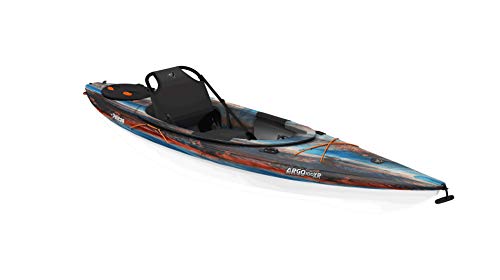
The Pelican Argo 100XR is built for stability and easy entry in a sit-in package. It uses the ErgoCast Classic dual-position seating system, adjustable to a high or low position to suit different paddling styles and body sizes. The tunnel-like hull design improves balance when entering or casting, while offering ample deck space to keep gear out of the way. Gear storage includes a front quick-lock hatch and a rear tank well with bungee cords, plus two flush-mount rod holders and two 4″ rigging tracks for accessories. Paddle tie-downs free your hands when needed. Capacity up to 300 lb.
Pelican Maxim 100X: Lightweight Sit-In Kayak

The Maxim 100X emphasizes comfort and accessibility for casual paddling. It features the premium Ergocoast seating system, which is removable to double as a beach chair when you’re on shore. Storage benefits include a front hatch with a storage bag and a rear tank well with a mesh deck cover, providing ample space for essentials. The cockpit is enhanced with adjustable footrests, premium knee pads, a bottle cage, and two 1 in. rigging tracks to support Pelican accessories. A paddle tie-down helps keep your hands free during setup. Capacity up to 275 lb.
Pelican Argo 100X: Stable Sit-In Kayak

The Argo 100X combines stability with practical storage and a manageable footprint. Its twin-arched multi-chine hull design helps deliver predictable handling, while the interior is designed with safety and ease of use in mind. Notably, this model supports a maximum weight capacity of 275 lb, making it suitable for larger paddlers who still want a compact and maneuverable sit-in kayak. The rugged build and integrated storage options make it a good choice for lakes and calm rivers where extra space for gear is beneficial.
Pelican Argo 80X: Compact Sit-In Kayak

The Argo 80X is designed for lighter, more compact needs without sacrificing sit-in stability. Its twin-arched hull offers reliable secondary stability, and its lightweight construction keeps weight near the lower end for easier transport and storage. With a capacity of 225 lb, this model is best suited for smaller setups or younger paddlers; it still provides a solid, predictable ride, and the flat hull design helps with easy entry and exit on busy days on the water.
Pelican Argo 100X EXO: Exo-Pak Comfort

The Argo 100X EXO builds on the familiar Argo platform with the Ergobreeze seating system for enhanced comfort and a spacious seating area. It features a twin-arched hull for stability and comes with the ExoPak removable storage container for gear organization. The Ram-X material keeps the kayak durable and lightweight. This model prioritizes comfort and long days on the water, offering ample space for gear and a secure feel in a sit-in setup.
Buying Guide
When choosing a sit-in kayak for bigger paddlers, several factors influence comfort, stability, and long-day performance. Consider the following perspectives and how they align with your typical paddling environment.
- Weight capacity and hull stability: Prioritize models with higher listed capacities and hulls designed for secondary stability. A stable hull helps you feel secure when entering, standing briefly to cast, or navigating waves.
- Hull design and primary vs. secondary stability: Twin-arched multi-chine hulls offer predictable tracking and stability in calm water and slow rivers, while tunnel or rounded hulls can improve stability during entry and exit. Compare how hull shape influences balance and cornering.
- Seating comfort and adjustability: Look for seats with adjustable height, back support, and the ability to remove or reposition the seating. Ergonomic designs (ErgoCast, Ergocoast, Ergobreeze) help reduce fatigue on longer trips.
- Cockpit space and legroom: Bigger paddlers benefit from more cockpit width and legroom. Ensure there is enough space to adjust leg position and move freely without rubbing or crowding the paddle stroke.
- Storage and gear management: Front hatches, rear tank wells, and exterior rigging tracks enable you to carry essentials securely. ExoPak or similar removable storage options can aid in packing gear at home and loading at the water.
- Portability and weight: Heavier kayaks offer stability but may require more effort to transport. Consider your vehicle, roof rack capacity, and whether you’ll need a lighter model for frequent portage.
- Durability and material: Most boats use high-molecular-weight polyethylene or Ram-X composites. Ram-X materials offer good balance of stiffness and weight, while plastic variants may be easier to repair in the field.
- Accessory compatibility: If you rely on accessories like rod holders, cup holders, or a second seat, verify that the kayak has rigging tracks, eyelets, and compatible hatch storage.
- Usage scenario: Decide whether you’ll mostly kayak on lakes, slow rivers, or coastal waters. Sit-in kayaks with higher capacity and more robust storage tend to be better for multi-day trips or larger paddlers covering longer distances.
Overall, for big and tall paddlers, prioritize models with 275–300 lb capacity as a baseline, broad cockpit access, and seats with strong back support and adjustability. If you value portability, a slightly lighter model with adequate capacity can still meet your needs, provided it offers a stable hull and comfortable seating. For extended days on the water, seating comfort and storage options will have a larger impact on day-long enjoyment than marginal gains in speed or weight savings.