Mountain biking demands gear that blends impact protection, comfort, and mobility. This guide highlights five top protective items—from knee and elbow guards to chest protectors and protective eyewear—designed to keep riders safe on rugged trails. Each selection emphasizes durable construction, multi-point protection, and user-friendly sizing to fit various riders and riding styles.
| Product | Brand | Key Benefit | URL |
|---|---|---|---|
| SCOYCO Knee Pads | Scoyco | 3D impact absorption with beetle-inspired exoskeleton for lower-leg coverage | https://www.amazon.com/dp/B08WYP4JCS?tag=besedding-20 |
| JBM Bike Pads Set | JBM | Adjustable straps and breathable materials for versatile fit | https://www.amazon.com/dp/B016U4R6II?tag=besedding-20 |
| BenKen Protective Shirt | BenKen | Full back/shoulder/elbow protection with EVA pads | https://www.amazon.com/dp/B07TSRJQD3?tag=besedding-20 |
| KEMIMOTO Chest Protector | KEMIMOTO | Dual impact materials with extended lumbar protection | https://www.amazon.com/dp/B0DLWP6T4N?tag=besedding-20 |
| 100% Strata Goggles | 100% | Enhanced fit and anti-fog performance for clear vision | https://www.amazon.com/dp/B08KGY2VWR?tag=besedding-20 |
SCOYCO Knee Pads

These CE Level 1 knee pads from Scoyco are designed for motocross and mountain biking alike, offering 3D impact absorption with a 3mm TPU shell to resist scrapes and distribute impact forces. The Beetle Technology Exoskeleton extends protection to the lower leg, broadening coverage by approximately 25% over the calf. A flexible 45°-180° knee range supports natural movement on climbs and descents, while adjustable elastic bands ensure a secure, personalized fit. Certification to EN 1621-1:2012 confirms compliance with recognized European safety standards, making them a strong option for riders seeking reliable knee and lower-leg protection on rugged trails.
JBM Bike Pads Set
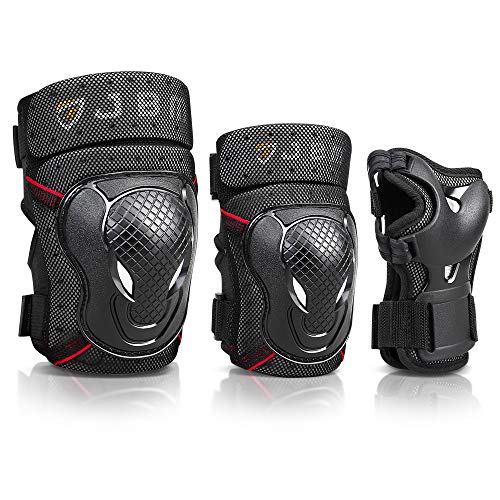
The JBM protective set focuses on knee and elbow protection with an emphasis on comfort and adjustability. Made from tough PP and PE materials, the pads come with breathable polyester sleeves to improve airflow during long rides. The multiple adjustable elastic straps help accommodate different knee girths, ensuring a secure, snug fit. This setup is suitable for riders who want a lightweight, breathable option that still provides solid impact resistance on multi-surface trails.
BenKen Protective Shirt
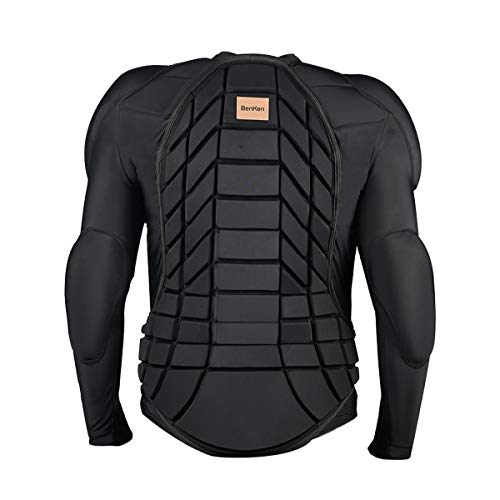
The BenKen protective shirt offers full upper-body coverage with thick EVA pads designed to shield the back, shoulders, neck, spine, and elbows. It aims to balance protection with comfort, featuring a breathable, flexible design and adjustable Velcro straps for waist sizing. While it provides substantial protection for upper-torso impacts and crashes, riders should note that rib and chest padding may be more general-purpose rather than specific chest-strap armor. This makes it a solid choice for riders prioritizing back and shoulder protection during aggressive riding on technical terrain.
KEMIMOTO Chest Protector
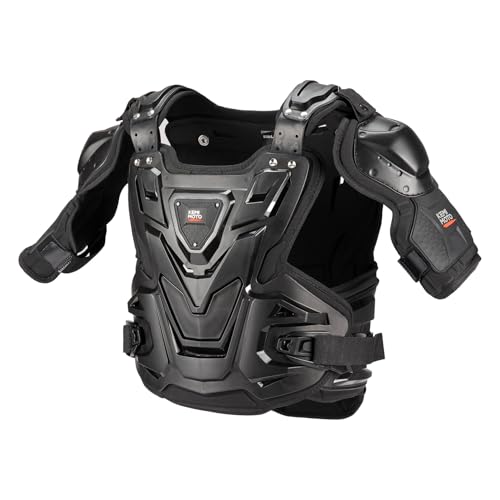
The KEMIMOTO chest protector features dual impact-resistant materials, combining PP for durability with EVA inner lining for effective shock absorption. The large shoulder protection and added lumbar area extend coverage, while quick-release buckles simplify wearing and removal. This protector is well-suited for riders who want substantial torso protection on downhill days or on rough, high-speed trails where chest and back protection are critical. It pairs well with knee and elbow gear for a complete upper-body safety solution.
100% Strata Goggles

Goggles like the 100% Strata model deliver critical eye protection for MTB riders facing dust, debris, and glare. The Strata line emphasizes a secure fit with triple post tear-offs for clean optics during gritty descents, plus an ultra-thick double-layer face foam to manage sweat and improve comfort. While not a body protector, good eye protection is essential for visibility and safety on challenging trails that expose riders to branches, rocks, and wind exposure.
Buying Guide
Choosing mountain biking protection involves balancing coverage, comfort, and practicality. Consider these factors to tailor gear to your riding style and terrain:
- Attack level and coverage: For aggressive terrain or downhill trails, prioritize knee, shin, back, and chest protection. For cross-country riders, emphasis on knee guards and lightweight upper-body protectors can reduce fatigue while still offering essential safety.
- Fit and adjustability: Look for multi-strap systems and adjustable bands to secure protective gear without restricting movement. A snug fit reduces shifting during rough sections and improves overall protection.
- Materials and protection levels: Front-shell materials like TPU, PP, and EVA padding provide impact absorption and durability. Dual-material setups (outer hard shell with soft inner foam) often offer the best balance of stiffness and comfort.
- Breathability and moisture management: Breathable sleeves, mesh panels, and moisture-wicking linings help regulate temperature on warm days and long rides, reducing chafing and fatigue.
- Weight and mobility: Heavier armor can reduce endurance on long technical climbs. Consider lighter options with adequate protection for rides that mix climbs and descents.
- Size charts and rider morphology: Check size guidance for knee and elbow guards, chest protectors, and shirts to ensure proper coverage of joints and torso. For kids, ensure gear grows with them or has adjustable features.
- Maintenance and longevity: Removable pads, washable fabrics, and replaceable shells extend gear life. Cleaning after rides helps prevent odor and material degradation.
- Compatibility with other gear: Ensure your helmet, eyewear, gloves, and pads fit together without interference. Straps, buckles, and padding should not clash with each other or restrict helmet fit.
In sum, an optimal mountain biking protection setup blends knee and elbow support with upper-body armor and reliable eye protection. The selected items provide varied levels of coverage and mobility, enabling riders to mix and match based on trail difficulty, weather, and personal comfort preferences.