Pearl coverstocks are prized for their length and sharper backend motion, especially on medium to light oil lanes. The models below showcase pearl formulations designed to deliver a clean glide into the pins with a pronounced finish. Each ball features a pearl or pearl-enhanced surface and a specialised core to maximize backend reaction. This guide highlights five top pearl options and explains how tech details translate to on-lane performance across common lane conditions.
| Product | Brand | Notable Tech | Weight (lbs) | Backend Focus |
|---|---|---|---|---|
| Hammer Hazmat Pearl | Hammer | HK22 base coverstock with Semtex Pearl; Hazmat symmetrical core | 15 | Strong backend |
| 900 Global Harsh Reality Pearl | 900 Global | Disturbance A.I. core; pearlized, polished surface | 14 | Explosive backend |
| DV8 Hater Pearl | DV8 | HK22 cover with Havoc Pearl; Cohesion additives; Hater asymmetrical core | 14 | Heavy backend |
| Columbia 300 Piranha PowerCOR Pearl | Columbia 300 | PowerCOR with ERT+ Pearl; HK22 base | 15 | Aggressive backend |
| Ebonite Game Breaker 5 Pearl | Ebonite | HK22 base with GB 12.7 Pearl additives; Enhanced V2 core | 15 | Versatile performance |
Hammer Hazmat Pearl Bowling Ball Review

The Hazmat Pearl sits within Hammer’s upper-mid performance line, offering a pronounced backend motion designed for medium to light oil lanes. It uses the HK22 base coverstock with Semtex Pearl additives to promote length before the breakpoint. The Hazmat symmetric core contributes to a predictable, controllable arc as lanes transition. This combination aims to deliver a strong, controllable reaction that players can trust as oil conditions shift.
On the lane, the Hazmat Pearl typically provides a clean forward roll with a decisive, angular finish when friction presents. The 15-pound weight is a common option for competitive bowlers seeking a consistent energy release through the pins. Surface adjustments and drilling layouts can tune the ball’s length and backend shape, making it suitable for players who want a reliable pearl option that still reads oil and reacts predictably as pattern lengths vary.
900 Global Harsh Reality Pearl Review

The Harsh Reality Pearl builds on the solid performance of the original by adding a polished pearl surface and an asymmetric Disturbance A.I. core. This combination is designed to deliver a highly responsive backend, particularly on light to medium oil where the pearl coating can maximize length and create a strong, angular move off the friction. The orange/silver/black colorway is complemented by a core geometry that provides eye-catching carry at the pins.
With its pearl treatment, this ball tends to skid down the lane before grabbing, which can translate into a dynamic backend if the bowler finds the right release. It’s positioned to appeal to players who want aggressive back-end motion without sacrificing early read. The 14-pound option is common for players seeking a balance of speed, control, and angle through the pins on varied lane conditions.
DV8 Hater Pearl Review
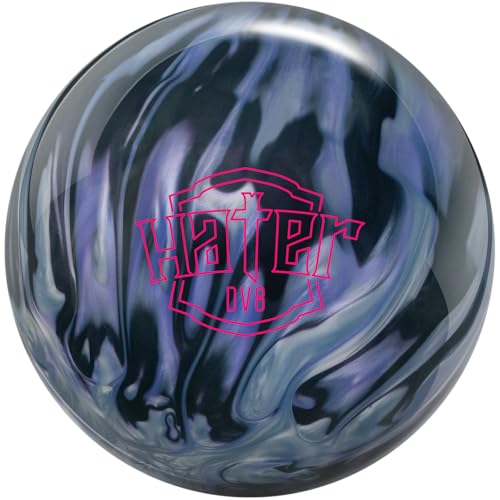
The Hater Pearl is designed to unleash backend reactions with a clean front-rolling phase and a bold finish as soon as friction appears. It uses DV8’s HK22 base coverstock with Havoc Pearl and Cohesion additives, enhancing surface performance and overall reaction. The medium-high RG and high differential Hater asymmetrical core provide a strong, angular motion that reads lane transitions well and drives energy into the pins.
In practice, bowlers usually see a pronounced move from the mid-lane into a heavy roll when lanes dry or when a bit more friction is present. This makes the Hater Pearl a compelling option for players who want a responsive pearl ball that can handle a variety of mid-oil conditions while maintaining a crisp backend. The 14-pound shell is a popular choice for controlled speed and axis tilt adjustments.
Columbia 300 Piranha PowerCOR Pearl Review

The Piranha PowerCOR Pearl merges PowerCOR technology with a pearl surface to deliver a powerful, aggressive backend. The HK22-based coverstock with ERT+ Pearl additives contributes to a vivid color profile, while the symmetric PowerCOR core adds stability and energy. This combination is intended to produce a strong, down-lane move that targets high-pin carry on medium oil patterns and models that benefit from a solid, consistent release.
In practical terms, bowlers can expect a lively response off the dry boards, with a backend that can push through fronts and drive into the pins. The 15-pound weight option is frequently chosen by players seeking a strong, predictable arc with a bit more angle than a typical solid ball. Drilling layouts and surface adjustments can fine-tune the balance between length and backend to suit different lane conditions.
Ebonite Game Breaker 5 Pearl Review

The Game Breaker 5 Pearl continues Ebonite’s tradition of dependable performance at an approachable price. It features the HK22 base coverstock with GB 12.7 Pearl additives, paired with the Enhanced V2 symmetrical core for versatile performance. The Pearl treatment lengthens the ball’s path before hooking, giving bowlers a controllable, reliable backend suitable for a range of oil patterns.
On the lanes, the Game Breaker 5 Pearl offers predictable motion with a smooth transition into a strong finish as friction increases. This makes it a strong option for bowlers who want a pearl ball that remains forgiving while delivering solid carry. The 15-pound weight is a common selection for players prioritizing energy into the pins without sacrificing overall control or consistency.
Buying Guide
Choosing a pearl bowling ball involves balancing coverstock, core design, and lane conditions. Pearl balls excel when there is enough oil to keep them from over-reading, but they must also read the transition to friction at the backend. Here are key considerations to help you compare options across brands and models.
- Coverstock type: Pearl and pearl-enhanced surfaces glide farther down the lane, promoting a sharper backend. Pure pearl vs. hybrid pearl/coats affects length and transition timing.
- Core design: Symmetrical cores offer more predictable motion and benchtop consistency, while asymmetrical cores provide more angle and flare potential, especially when paired with pearl surfaces.
- Oil pattern compatibility: Pearl balls are often favored on medium-light oil conditions, where length and backend motion synergize. In heavy oil, surface prep or a different ball type may be preferable.
- Weight options and balance: Common weights are 14–15 pounds for most players, but lighter or heavier choices can change ball speed, axis tilt, and energy transfer through the pins.
- Surface prep and finish: Factory finishes vary (polished vs sanded). Adjusting surface texture (grit) can tune launch delay, length, and the backend angle.
- drilling layout: The layout (pin-to-PAP distance, val angles) influences how the ball reads the lane and shapes its backend. Consult with a pro shop to optimize based on your release, rev rate, and target angles.
- Durability and price: Pearl balls often sit in a mid-to-premium tier. Consider your lane conditions, frequency of use, and required backend motion when evaluating value.
- Maintenance: Keep surfaces clean and re-polish or re-surface as needed to preserve the intended reaction over time.
Across the five pearl options above, you’ll find a spectrum of backend shapes—from explosive and angular to controllable and forgiving. When selecting, align the ball’s core geometry and pearl finish with your typical oil pattern, release style, and target lane conditions. A single ball may not cover every pattern, so many bowlers benefit from a small arsenal that includes a pearl option for when oil is lighter and a solid ball for heavier ovals.