Choosing the right MTB trail helmet balances protection, ventilation, and comfort on fast climbs and rugged descents. This guide highlights five top-rated options that excel on trails, enduro routes, and all-mountain adventures. From lightweight, highly ventilated shells to full-face protection for aggressive lines, these helmets incorporate industry-leading safety technologies such as MIPS, Koroyd, and reinforced shells. Read on for quick product snapshots, in-depth feature discussions, and practical tips to pick a helmet that fits your riding style and head shape.
| Product | Brand | Key Benefit |
|---|---|---|
| POC Tectal Advanced Trail | POC | Extended coverage with RECCO |
| Smith Engage MTB Helmet | SMITH | Koroyd coverage and MIPS with ventilation |
| Fly Racing Rayce Helmet | Fly Racing | TFV ventilation and washable liner |
| POC Kortal MTB Helmet | POC | Adjustable peak and breakaway peak |
| Demon Podium X MIPS | DEMON UNITED | Full-face protection with MIPS and vents |
POC Tectal Advanced Trail Helmet

POC Tectal Advanced Trail is engineered for mountain biking across trails, enduro, and all-mountain routes. It features an adjustable visor, a goggle clip, and extended coverage at the temples and back of the head, offering protection where riders face branches and debris. The integrated RECCO reflector aids search-and-rescue operations in remote terrain, enhancing safety beyond impact protection. Comfort and fit are prioritized with a 360° size adjustment system and a lightweight shell. Ventilated airflow channels promote cooling on climbs and long descents, helping riders stay focused during hot rides.
Designed to balance protection with practicality, the Tectal’s streamlined profile reduces bulk while maintaining energy absorption. The 360° fit system helps secure the helmet for different head shapes, ensuring even pressure distribution. Internal channels minimize hot spots during extended sessions, while the shell and liner work together to keep weight reasonable for all-day wear. This model pairs well with contemporary eyewear and accommodates goggles when conditions demand it, making it a versatile choice for riders who mix pedaling with aggressive descents.
Smith Engage MTB Helmet

Smith Engage MTB Helmet is built for a wide range of trails—from bermed swoops to rock gardens. The helmet features zonal Koroyd coverage for lightweight, energy-absorbing and ventilated protection, paired with MIPS Safety Protection System for rotational impact defense. It complies with U.S. CPSC Safety Standard for Bicycle Helmets for Persons Age 5 and Older, as well as CE EN 1078 and AS/NZS 2063, ensuring broad regulatory acceptance. With 20 fixed vents, the design emphasizes consistent airflow to reduce heat buildup during intense rides.
Ventilation support comes from the Ionic+ lining, which helps manage sweat and odor, while the lightweight, low-bulk webbing maintains comfort without compromising safety. The Engage is designed to stay cool without fogging lenses, helping glasses or goggles stay clear on humid days. A secure yet simple sizing system makes it accessible for riders who swap between helmets or adjust for helmet-hats on long rides. Overall, it offers strong ventilated protection with practical everyday usability.
Fly Racing Rayce Helmet
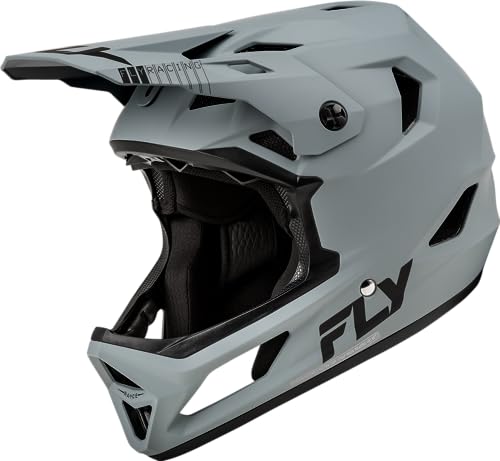
Fly Racing Rayce MTB/BMX Helmet combines rugged construction with practical features for all-around performance. It uses a durable polycarbonate-alloy shell and a Multi Density EPS foam liner to tailor energy absorption to the ride. TFV True Functional Ventilation delivers optimized airflow, helping riders stay cool on climbs and long descents. The Rayce also includes a removable and washable liner and cheek pads for easy maintenance, along with a padded chin strap with a D-ring closure for secure fit under aggressive riding styles.
The Rayce is designed for versatility across MTB and BMX disciplines, offering a balance of protection and comfort. Removable pads simplify cleaning and customization, while the secure strap system maintains stability during jumps and technical lines. This helmet suits riders who prioritize steady ventilation, durable construction, and straightforward maintenance on frequent trail trips.
POC Kortal MTB Helmet

POC Kortal offers an Advanced Trail design with features aimed at all-mountain and enduro riders. The helmet includes an adjustable peak for goggles and sunglasses, plus a 360° ventilation system for all-day comfort. A patented breakaway peak provides neck protection and reduces injury risk by snapping off during a crash. The design emphasizes coverage around the temples and back of the head, making it a strong option for riders who want robust protection without sacrificing mobility or visibility.
Unlike some lighter trail helmets, the Kortal prioritizes practical versatility. The peak can be lifted to store eyewear underneath, and the breakaway peak is part of a safety strategy that minimizes neck torque. This helmet aligns with riders who value a balance of protection, visibility, and adjustable features that adapt to varied riding environments—from tight singletrack to open, fast descents.
Demon Podium X MIPS Helmet
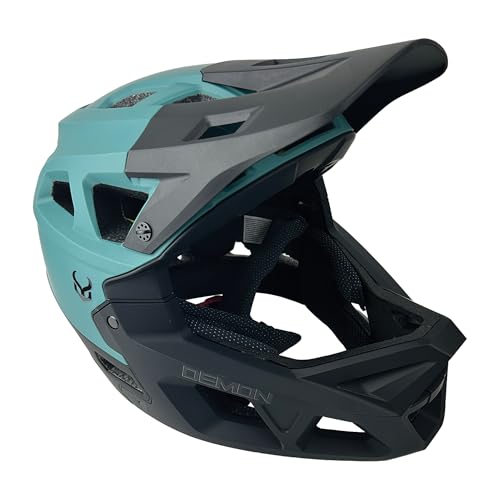
The Demon Podium X MIPS is designed for riders seeking full-face protection with modern safety features. It incorporates MIPS technology to reduce rotational forces, addressing oblique impacts commonly seen on downhill and aggressive mountain runs. Ventilation is strong, with 20+ strategically placed vents aimed at maintaining comfortable temperatures during intense sections. The helmet weighs about 710 grams, a balance between protection and weight that supports longer sessions without excessive neck strain. It carries multiple certifications and is DH-rated for demanding terrains.
Podium X MIPS also emphasizes rider customization with removable fit pads, allowing for a closer, personalized fit. This model suits riders who pursue high-speed descents or technical lines where full-face protection adds confidence. While heavier than most trail helmets, its integrated ventilation and safety features appeal to those prioritizing maximum protection on rugged routes.
Buying Guide
Key Purchase Considerations
- Riding style and terrain: trail and all-mountain riders may prioritize lightweight ventilation, while enduro or downhill riders may favor increased protection or a full-face option.
- Safety technologies: look for MIPS, Koroyd, or other energy-management systems. These can influence rotational impact protection and overall performance in crashes.
- Fit and adjustability: a precise 360° size adjustment, adjustable visors, and secure chin straps improve comfort and stability on rough terrain.
- Ventilation and weight: breathable shells and well-placed vents reduce heat buildup without sacrificing strength; lighter helmets reduce neck fatigue on long rides.
- Visor and eyewear compatibility: adjustable peaks and goggle clips help riders adapt to sun, rain, and goggles without interference.
- Certifications: seek CPSC, CE EN 1078, AS/NZS 2063 where applicable; certification indicates compliance with safety standards.
- Maintenance and durability: removable liners and washable pads simplify upkeep; choose materials that resist wear in muddy, rooty trails.
- Price vs features: balance desired protection, comfort, and future-proofing with your budget; more advanced tech often requires a higher investment.
Safety Technologies Explained
MIPS (Multi-directional Impact Protection System) redirects rotational forces during angled impacts, reducing brain motion. Koroyd uses energy-absorbing tubes that compress predictably to manage impacts while promoting airflow. Aramid reinforcement, reinforced shells, and reinforced EPS layers further enhance durability and crash protection. Understanding how these technologies interact with fit and ventilation helps riders choose a helmet that matches their riding demands.
Ventilation, Weight and Durability
Helmet ventilation improves comfort on long climbs and hot days but should not compromise protection. Weight matters for neck fatigue on all-day rides; lighter helmets are not always less protective, as design and materials influence performance. Durability depends on the shell material, internal padding, and how the helmet performs under repeated impacts. A well-ventilated, durable design with effective vent placement is ideal for most riders on varied terrain.
Fit, Sizing, and Adjustability
Proper fit is essential for safety and performance. Look for a 360° adjustment system, adjustable visors, and secure straps. Sample different sizes using in-store or home trials, and consider head shape (round, intermediate, or oval). A helmet that sits level and snug without tight pressure points will feel more secure during aggressive maneuvers and shocks encountered on technical trails.
Choosing the Right Helmet for Your Riding Style
Trail riders typically prioritize ventilation and weight for all-day comfort, while enduro and all-mountain riders seek a balance between protection and mobility. Full-face options offer maximum protection for downhill runs but add weight and heat. If you frequently ride in variable conditions or wear goggles, choose a model with an adjustable peak and compatibility with eye protection. Finally, verify that your chosen helmet aligns with your local safety standards and personal comfort preferences.