Choosing the right mid layer is essential for a successful day on the mountain. The best pieces blend warmth, breathable fabrics, and unrestricted movement so you can stay comfortable from first chair to last run. This guide highlights five top mid-layer options that suit a range of skiing styles, climates, and budgets. You’ll find practical notes on warmth, moisture management, fit, and durability to help you build a reliable, multilayer system for cold, wet, or windy days on the slopes.
| Product | Brand | Key Benefit |
|---|---|---|
| Herobiker Thermal Base Layer Set | HEROBIKER | Silky inner lining, four-way stretch, flatlock seams |
| Squak Classic Microgrid Fleece Hoodie | Squak Mountain Co. | Grid fleece warmth, moisture wicking, flexible fit |
| Spyder Bandit Hybrid Mid Layer | Spyder | Stretch panels for mobility, brushed fleece backing |
| Romision Mid Weight Thermal Set | romision | Four-way stretch, moisture-wicking, comfortable all day |
| Duofold Mid Weight Thermal Pant | Duofold | Two-layer warmth, flatlock seams, tagless |
Herobiker Thermal Base Layer Set

Herobiker’s thermal base layer set pairs a silky-soft interior with four-way stretch fabric to maximize warmth and mobility. The fleece-lined construction traps heat while remaining breathable, helping you regulate temperature during high-energy runs. Flatlock seams reduce friction across the torso and legs, enhancing comfort under mid-layer pieces and outer shells. This set is designed for active winter days, offering a balanced blend of warmth, stretch, and a slim, non-bulky profile.
Squak Classic Microgrid Fleece Hoodie
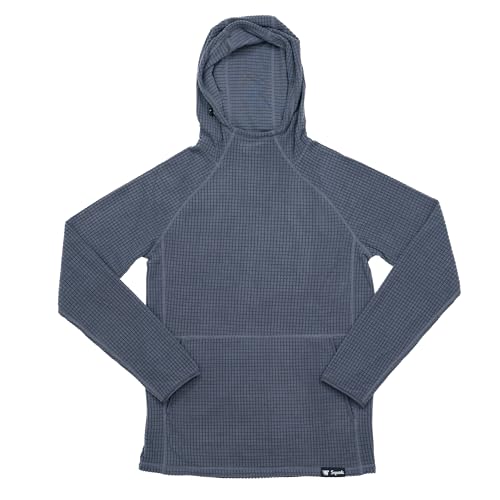
This lightweight fleece hoodie uses a microgrid pattern to deliver warmth without bulk. The soft grid fleece wicks sweat, dries quickly, and flexes with your movements, making it versatile as a standalone layer or mid-layer. The relaxed yet secure fit stays in place during climbs or descents, while the hood and trim tailoring help seal warmth without restricting airflow. It’s a practical option for cool mornings and long lift lines when you want warmth without overheating.
Spyder Bandit Hybrid Mid Layer Jacket

The Spyder Bandit hybrid mid-layer pairs stretch double-knit polyester fleece with brushed backing for warmth and mobility. Stretch fleece panels under the arms and along the sides enhance movement where you need it most, making this piece comfortable during long days on the mountain. YKK zippers improve durability and ease of use, while the overall construction aims to balance warmth with airflow to prevent overheating during intense activity.
Romision Mid Weight Thermal Base Layer Set

Romision’s mid-weight set emphasizes warmth and freedom of movement. The softly brushed fabric provides a cozy feel, while the four-way stretch supports unrestricted motion on alpine runs or backcountry treks. It’s designed to wick moisture away from the skin, maintaining comfort during high-energy activities and helping you stay dry in varied mountain conditions.
Duofold Mid Weight Thermal Pant

Duofold’s mid-weight thermal pant features a two-layer construction for added warmth in cold conditions. Flatlock seams minimize irritation, while tagless labels increase comfort during long ski days. This pant is designed to stay in place and provide durable warmth as a reliable base for a comprehensive layering system.
Buying Guide
Key considerations when choosing mid layers for skiing include warmth-to-bulk ratio, moisture management, and fit. A mid layer should trap heat efficiently while allowing enough breathability to prevent overheating during strenuous climbs or rapid descents. Look for fabrics with good moisture-wicking properties and quick-drying capabilities to manage sweat after long runs.
Fit and mobility matter as much as warmth. Mid layers should layer comfortably over a base layer and under a shell without restricting movement. Consider pieces with stretch panels or articulated cuts for dynamic skiing movements and a snug but non-restrictive feel.
Durability is another critical factor. Seams should be reinforced, and zippers should operate smoothly under cold conditions. For base layers and mid layers used in wet climates, choosing water-resistant or water-repellent outer fabrics can help reduce heat loss when snow or light rain is present.
Layering strategy varies by climate and skiing style. In dry, cold environments, lighter mid layers with high breathability work well. In wet or windy conditions, prioritize thicker mid layers or fleece with wind-resistant outer shells. For backcountry trips, consider lighter, packable options that compress easily without sacrificing warmth.
Care and longevity matter for value. Follow washing instructions to preserve fabric performance. Avoid high heat in dryers and use mild detergents to maintain moisture-wicking efficiency and fabric integrity over time.
Price and brand reputation can guide choices, but fit and comfort should come first. Test layering in a local setting when possible, and select pieces that complement your existing jackets, shells, and base layers for a balanced, reliable system on the mountain.