Choosing a marine kayak paddle means balancing weight, stiffness, and stroke efficiency. The five paddles profiled here emphasize lightweight carbon or aluminum shafts combined with durable blades and length options to suit a wide range of water conditions, from calm lakes to coastal touring. Each option offers a mix of portability, adjustability, and comfort to help paddlers maintain a steady cadence and minimize fatigue. Use the quick reference table below to compare core specs at a glance, then dive into detailed sections for each model.
| Product | Brand | Length | Key Feature |
|---|---|---|---|
| Best Marine And Outdoors Kayak Paddle | Best Marine and Outdoors | 220–250 cm | Carbon shaft; fiberglass reinforced blades; two-piece design |
| WONITAGO Kayak Paddle Premium Carbon Fiber Paddle | WONITAGO | 220–240 cm | Carbon shaft; fiberglass reinforced blade; 3-piece; ~2 lb |
| SeaSense XTreme 2 Kayak Paddle | SeaSense | 96” (≈244 cm) | Fiberglass reinforced nylon blades; 2-piece; feathered design |
| OCEANBROAD Kayak Paddle 230 cm | OCEANBROAD | 230 cm | Aluminum alloy shaft; fiberglass reinforced PP blade |
| OCEANBROAD Adjustable Carbon Fiber Paddle | OCEANBROAD | 220–240 cm | Carbon shaft; adjustable 5-length options; 3-piece |
Best Marine And Outdoors Carbon Kayak Paddle

The Best Marine and Outdoors paddle uses a carbon fiber shaft paired with fiberglass reinforced polypropylene blades, offering a high-performance blend for durability and weight savings. Available in multiple lengths—220 cm, 234 cm, and 250 cm—this design accommodates a variety of paddler heights and kayak cockpits. A distinctive feature is the double-sided color-matched blade design, which aligns with most kayaks for a cohesive look. At roughly 30–32 ounces, the paddle sits in the featherweight range for carbon builds, supporting efficient strokes and reduced shoulder strain. It also breaks into two pieces for compact transport and storage.
In use, the paddle emphasizes comfort and control, with a shaft designed to reduce fatigue over longer trips. The two-piece construction allows quick assembly on shore and straightforward packing in a vehicle or boat hatch. It is well suited for adult recreational paddlers who prioritize ease of handling, speed, and a clean, consistent stroke in flatwater and light chop. Regular rinsing after use and dry storage will extend blade and shaft life.
WONITAGO Carbon Fiber Kayak Paddle

The WONITAGO paddle features a premium carbon fiber shaft that delivers stiffness and lightness, with blades made from a fiberglass-reinforced polypropylene blend for durability and resistance to corrosion. The blade design helps maintain efficient power transfer while minimizing flutter, especially in dynamic water conditions. The paddle length ranges from 86″ to 94″ (220–240 cm), with a 20 cm adjustment, and a total weight around 2 pounds (0.9 kg), making it easy to maneuver and carry. The 3-piece assembly allows for compact transport and versatile use across a range of kayaks and paddlers.
Designed for both beginners and seasoned paddlers, this paddle balances power and control. The carbon shaft provides a stiff yet flexible feel that helps maintain a smooth stroke in rivers or coastal waters. Floatation helps prevent loss if dropped, and the blade geometry supports stable tracking. Proper care includes rinsing after use and storing in a dry, ventilated area to prolong blade integrity and shaft performance.
SeaSense XTreme 2 Kayak Paddle

The SeaSense XTreme 2 paddle pairs fiberglass reinforced nylon blades with a two-piece shaft, delivering a blend of lightness and durability that suits sport, sea, whitewater, and recreational kayaking. A feathered blade design and a support ridge optimize power per stroke, while an adjustable drip ring helps keep hands and sleeves dry. The asymmetrical blade minimizes wind resistance, and the two-piece construction enables easy storage when not in use. Ergonomic foam hand grips add comfort for extended sessions on the water.
Engineered for versatility, this paddle excels in a range of water conditions from calm bays to faster moving estuaries. The material blend resists corrosion, shielding blades from saltwater exposure. The lightweight design reduces fatigue during long paddles, while the robust construction supports strong, steady strokes. Regular rinsing and proper drying help preserve blade integrity and grip comfort over time.
OCEANBROAD Kayak Paddle 230 cm
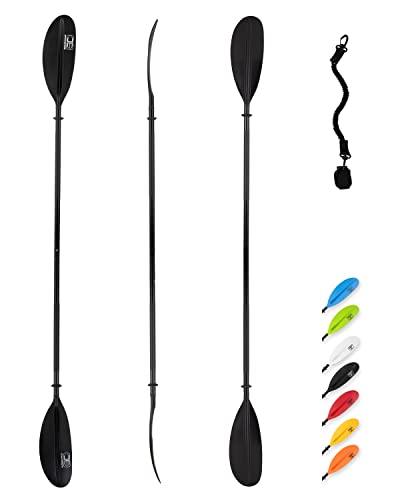
This OceanBROAD paddle blends a high-quality aluminum alloy shaft with a fiberglass reinforced polypropylene blade for a durable, budget-friendly option. The 230 cm length sits well for a broad range of paddlers and kayak types, providing a balanced reach and efficient stroke. The design focuses on stability and predictable handling, making it a suitable choice for beginners and intermediate paddlers seeking reliability without a premium price tag.
The paddle is detachable into two sections for easy transport and storage. An extended length helps paddlers with longer torsos or wider cockpits maintain a comfortable reach, while the aluminum shaft keeps weight reasonable and resistance to saltwater corrosion acceptable. For cold-weather paddling, the shaft finish minimizes cold transmission to the hands, and the overall geometry supports confident, steady paddling strokes.
OCEANBROAD Adjustable Carbon Fiber Paddle

The OceanBROAD adjustable carbon fiber paddle combines a carbon fiber shaft with fiberglass-reinforced blades to deliver a lightweight yet durable paddle. Weighing around 35 oz, it balances efficiency with manageable bulk for extended trips. This model offers five length options from 220 cm to 240 cm and a three-piece design, allowing a compact fold for travel and storage. Carbon construction provides stiff performance for powerful strokes while maintaining resilience in choppy or coastal waters.
In use, the paddle encourages efficient paddling with a feathered blade setup and easy length customization. The combination of carbon and reinforced blades supports a responsive feel, improving tracking and reducing fatigue. This paddle is well suited for paddlers who value adjustability to match changing water conditions or different paddling partners, along with straightforward transport between ramps and boats.
Buying Guide
Materials and Weight
Carbon fiber shafts offer the lightest weight and the most efficient power transfer, but they can be pricier. Aluminum shafts tend to be heavier but are sturdy and more affordable, while fiberglass blades provide durability and flexibility at a lower cost. Consider the total paddle weight; lighter shafts reduce fatigue on long paddles, especially for touring or multi-day trips. Blade materials influence durability and splash resistance in saltwater versus freshwater environments.
Length and Adjustability
Length is critical for optimal posture and stroke efficiency. Most paddles in this guide cover a range from about 220 cm to 240 cm, with some offering two-to-three-section collapsibility. Adjustable shafts help accommodate different paddler heights and kayak cockpit widths, while feathered blades can reduce wind resistance on the water. When selecting length, err on the side of a slightly longer paddle for larger kayaks and higher-volume boats, or a shorter paddle for compact cockpits.
Blade Design and Durability
Fiberglass reinforced polypropylene or nylon blades paired with strong shafts offer a balance of durability and cost. Feathered blade designs can improve efficiency by reducing drag on the water’s surface. Look for blades that float easily for recovery if dropped and those with robust drip rings to keep hands dry during long sessions. Blades with UV-resistant coatings and corrosion-resistant materials will last longer in saltwater conditions.
Portability and Maintenance
Two-piece or three-piece paddles are easier to transport and store, especially for travelers and car-level storage. Maintain paddles by rinsing after use, drying completely, and storing in a ventilated area away from direct sun. Detachable paddles reduce the risk of damage during transport. If you paddle in saltwater, pay attention to corrosion-resistant components and rinse promptly to preserve shaft integrity.
Performance and Use Case Considerations
For calm, flat-water paddling, a lighter carbon paddle can reduce fatigue and improve speed on long crossings. For mixed water conditions, durability and a moderately stiff shaft with robust blades help maintain control and efficiency. Beginners may prefer more forgiving designs with simpler maintenance, while advanced paddlers might opt for high-end carbon shafts and precisely feathered blades for maximum performance in waves and current.