Selecting a light sleeping bag for backpacking means balancing warmth, weight, and compressibility. The options below highlight ultralight and compact designs that still deliver comfort after a long day on the trail. Each bag is evaluated for portability, weather resistance, and fit for adults and occasional hikers. Whether you’re speed hiking or weekend camping, these bags help you rest well without burdening your pack. The table below provides a quick snapshot of the five options.
| Product | Brand | Weight (approx) | Temperature / Season | Key Feature |
|---|---|---|---|---|
| Naturehike Lightweight Sleeping Bag | Naturehike | 1.68 lb (0.76 kg) | Multi-season (ultralight design) | Ultralight, compact, includes compression sack |
| ECOOPRO Compact Warm Weather Bag | ECOOPRO | 1.7 lb | 55–60°F comfort range | Waterproof and weatherproof envelope style |
| Atarashi 3-4 Season Sleeping Bag | Atarashi | 4.2 lb | 32–77°F | Waterproof shell, half-circle hood, drafted warmth |
| TETON Trailhead 20 Degree Bag | TETON Sports | Varies by size | 20°F (-6°C) | Lightweight loft with full-featured design |
| JEAOUIA 3-Season Sleeping Bag | JEAOUIA | Varies by size | 50–68°F | Three-season use, hood with drawstring |
Naturehike Lightweight Sleeping Bag

Naturehike emphasizes ultralight portability with a total weight around 1.68 pounds. The bag uses a waterproof nylon outer shell and a breathable 100% polyester lining, optimized with a lightweight 80 g/m2 imitation silk cotton fill for warmth. Its dimensions reach about 80.7 inches in length and 33.5 inches in width, accommodating most adults comfortably. The design supports easy rolling and compressing into a small sack, making it ideal for hikers focused on minimizing pack weight and bulk.
The bag’s construction centers on a balance between warmth and portability, suitable for backpacking scenarios where space and weight are at a premium. While designed to be versatile, it is best used in conditions where extreme cold is not a primary concern. The envelope-style form helps reduce cold spots and simplifies packing, contributing to a better night’s rest after a day on the trail.
ECOOPRO Compact Warm Weather Bag
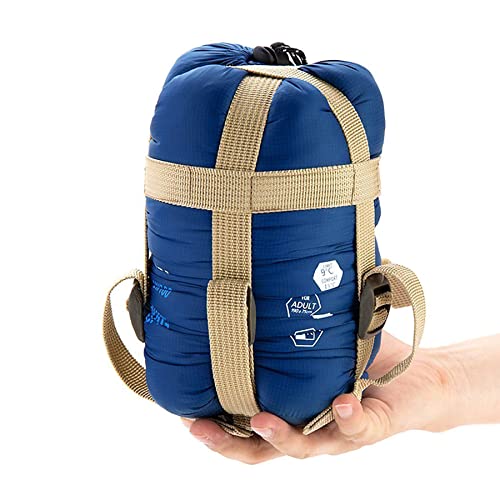
ECOOPRO focuses on compact warmth with a streamlined design. The sleeping bag measures 83 inches long and 30 inches wide, delivering a roomy feel while staying light at about 1.7 pounds. The interior and exterior construction prioritize weather resistance, with a waterproof, weatherproof claim that suits damp nights and light rain. A smooth zipper enhances convenience for quick in-and-out breaks at the campsite, and the bag compresses easily for trail packing. Comfort is tuned toward cool, not frigid, nights, making it a practical choice for late-spring, summer, and early-fall trips.
With a strong emphasis on portability, ECOOPRO bags are designed for backpackers who value a straightforward, reliable sleep solution. The 55–60°F comfort range aligns with mild to cool evenings in many U.S. destinations. The bag’s waterproof characteristics help protect against unexpected dew or light moisture, while the simple envelope form keeps bulk to a minimum for hikers focused on efficiency.
Atarashi 3-4 Season Sleeping Bag

Atarashi presents a larger, four-season capable sleeping bag with substantial warmth. The bag measures 33 inches by 87 inches, fitting most adults or taller youths. It uses 12 oz/yd² polyester insulation and 400 GSM filling, paired with a 290T nylon shell treated with a durable water-repellent finish to shrug off moisture. A draft collar and full-length draft tube help regulate temperature, while a half-circle hood with an adjustable drawstring keeps the head warmer in challenging conditions. The semi-rectangular shape provides elbow and knee room for restless sleepers.
Weight is higher at about 4.2 pounds, reflecting robust insulation and weather protection. The integrated compression sack supports compact storage for a bag designed to withstand wind, rain, and colder nights. This makes it suitable for serious three- to four-season outings, including camping and backpacking in variable climates where reliable warmth matters.
TETON Trailhead 20 Degree Bag

The TETON Trailhead is designed for hikers who want a dependable, lightweight option for cool nights. The bag is marketed as lightweight and lofty, with a roomy footbox and a draft tube to minimize heat loss along the zipper. It ships with a stuff sack for easy packing and transport, reinforcing the goal of practical backpacking gear. The 20-degree rating indicates strong warmth potential for late-season use in many U.S. locales, especially when paired with appropriate clothing layers. The overall construction emphasizes comfort without sacrificing packability.
While specific weight figures vary by size, the Trailhead balances performance and portability. The microfiber insulation enhances loft for warmth, and the design supports a comfortable night’s sleep after strenuous days outdoors. It’s a versatile option for campers who need a reliable bag for three-season use with an emphasis on ease of packing and quick setup at the campsite.
JEAOUIA 3-Season Sleeping Bag

JEAOUIA’s bag is designed for three-season use with a temperature range of about 50–68°F. The sleeping bag optimizes space with a 31.5 by 86.6 inch footprint and a hood that can be tightened through a drawstring for added warmth. The outer shell uses polyester that is waterproof and breathable, while the lining is listed as Pongee with hollow cotton fill for insulation. A foot zipper adds ventilation options, allowing sleepers to adjust temperature during warmer nights. The design emphasizes a balance between comfort and budget-aware pricing.
Durability and practicality are central to this option. The integrated hood and flexible fit aim to accommodate a wide range of body types and sleeping positions, making it a capable choice for casual campers and families seeking an affordable, reliable three-season bag without bulky hardware or complicated features.
Buying Guide
When choosing a light sleeping bag, buyers should weigh five core factors: warmth, weight, packability, durability, and versatility. Each factor influences where a bag excels and where it may fall short for your typical trips.
Temperature rating and seasonality are essential. Understand the difference between comfort, limit, and extreme ratings, and match them to your typical camping conditions. Ultralight bags generally trade warmth for weight, while 3- to 4-season bags deliver more warmth through higher fill, insulation, and draft protection. Consider how cold you expect nights to be and how much layering you’re willing to do.
Weight and packability are the primary benefits of a light bag. Look for lightweight shell materials like thin nylon and compact insulation. A reliable compression sack or stuff sack helps you squeeze maximum space out of your pack. If you hike with a partner, sharing a bag isn’t uncommon for car camping, but for backpacking you want solo-use bags that minimize bulk.
Fit, size, and comfort impact sleep quality. Pay attention to bag length, shoulder width, and hip space. A hood with drawstring, a draft tube along the zipper, and a well-constructed foot box can prevent drafts and restrict heat loss. If you’re a side sleeper, a semi-rectangular shape can offer more room for turning without compressing insulation.
Materials and weather resistance affect durability and performance. Look for waterproof or water-repellent shells, breathable linings, and proper insulation. While synthetic fills tend to retain warmth when wet, down offers superior warmth-to-weight but requires more care. Cleaning and drying requirements should align with your habits and access to washing facilities on trips.
Care, maintenance, and accessories influence longevity. A bag with a simple care routine, easy-dry fabrics, and a practical compression sack will outlast more feature-heavy designs. Store sleeping bags loosely in a dry, breathable space to preserve loft. Always follow manufacturer guidance for washing and drying to avoid damaging the insulation.
In terms of product selection, ultralight and compact designs like Naturehike and ECOOPRO suit fast, light trips where distance and weight matter most. Bags like Atarashi and JEAOUIA provide stronger warmth for three- to four-season adventures, though with higher weight. TETON Trailhead sits in a middle ground, offering reliable warmth with practical packing features for varied conditions. When evaluating options, align the bag’s temperature range, weight, and compression needs with your planned itineraries, gear kit, and personal comfort preferences.
| Product | Weight | Season | Warmth Notes | Best For |
|---|---|---|---|---|
| Naturehike Lightweight | 1.68 lb | Multi-season | Ultralight warmth; compact packability | Ultralight hikers, weekend trips |
| ECOOPRO Compact | 1.7 lb | 3-season | 55–60°F comfort; waterproof | Cool evenings; damp climates |
| Atarashi 3-4 Season | 4.2 lb | 3–4-season | 32–77°F range; draft protection | Variable climates; harsh nights |
| TETON Trailhead | Size-dependent | 3–4-season | 20°F rating; lofted insulation | Chill nights; mixed conditions |
| JEAOUIA 3-Season | Size-dependent | 3-season | 50–68°F; hood and foot zipper | Budget-friendly three-season trips |