Winter running demands reliable grip on slick surfaces. The right ice cleats supply secure, multi‑direction traction so you can train through snow and ice with confidence. This guide highlights five top options designed to fit running shoes, balance weight and durability, and deliver dependable performance in cold conditions. Read on for concise product overviews, a quick comparison table, and a practical buying guide to help you choose the best ice cleats for your runs.
| Product | Brand | Why It Stands Out |
|---|---|---|
| Yaktrax Run Traction Cleats | Yaktrax | Runners’ design with 360‑degree traction and durable materials for winter running |
| ICETRAX V3 Tungsten Crampons | ICETRAX | High‑durability tungsten spikes and secure stay‑on fit |
| STABILicers Run Traction Cleats | STABILicers | Full‑sole coverage and aggressive tread for maximum grip |
| Korkers Ultra Runner Ice Cleat | Korkers | Ultra‑adjustable fit with multiple carbide spikes for versatile terrain |
| Due North Everyday Pro Traction Aids | Due North | Six replaceable tungsten spikes per cleat with 360° traction |

Yaktrax Run Traction Cleats

The Yaktrax Run cleats are engineered specifically for runners who face winter training challenges. They fit over standard running shoes and combine carbide‑steel spikes with stainless steel coils to deliver traction from heel to toe. The design emphasizes multi‑direction stability, allowing forward, backward, and lateral movements on icy pavement or packed snow. The use of a thermoplastic rubber framework provides a snug, flexible fit, and the entire system is built to withstand cold temperatures without losing elasticity. These cleats are relatively lightweight, making them a practical choice for daily winter runs.
Key features include 360‑degree underfoot traction and a focus on keeping the system secure during motion. The spike pattern is designed to reduce slip on slick surfaces while keeping the shoe’s stride natural. The combination of spikes and coils helps distribute pressure evenly, which can reduce fatigue during longer winter workouts. Users can expect reliable grip on most urban winter terrain, though performance may vary on extremely steep or untreated ice patches.
ICETRAX V3 Tungsten Crampons
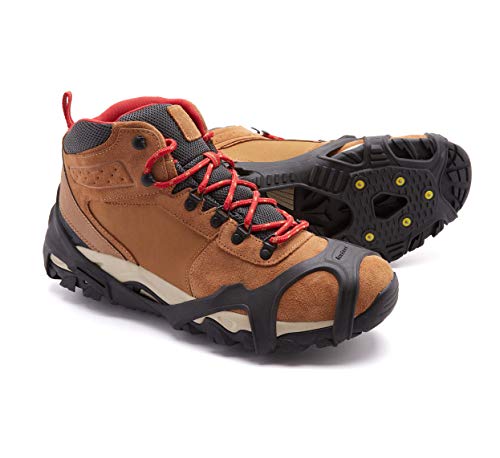
The ICETRAX V3 ice cleats bring tungsten carbide spikes into a lightweight, race‑ready format. Designed in Canada for harsh winter conditions, they fuse nine strategically placed carbide studs with a proprietary snow tread traction system for superior grip on ice and snow. A StayON toe cap helps secure the cleats to most footwear, minimizing movement or detachment during activity. Sliding these onto your shoes is quick, and the overall construction aims to balance stability with minimal added bulk, making them suitable for runners who want dependable traction without compromising speed.
Attachment is straightforward: you slip the toe over the front and pull the heel over the back to achieve a snug fit. The combination of carbide spikes and a snug fit improves stability on uneven surfaces, while the platform design maintains stride consistency. This model excels in dry ice, icy roads, and compact snow, though extremely loose snow may not leverage all spike contact. Spikes are designed to resist wear over repeated winter sessions, offering a durable option for runners who log weekly cold‑weather miles.
Korkers Ultra Runner Ice Cleat
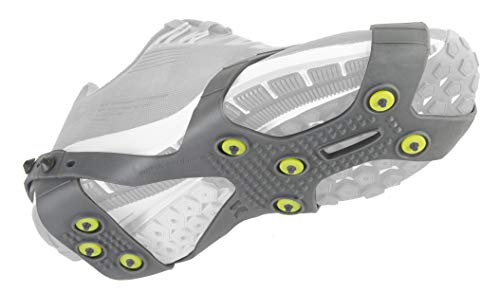
Korkers offers the Ultra Runner Ice Cleat with a stretch‑fit design that adapts to a range of footwear from running shoes to outdoor boots. The system features 16 replaceable carbide spikes, strategically positioned to provide grip on ice and frozen trails. The adjustable strap ensures a secure fit, which is essential when the foot is moving quickly on uneven winter surfaces. The cleat is lightweight and portable, making it easy to carry for workouts at different locations. For runners who encounter mixed terrain, the spike configuration can adapt to road, pavement, and light off‑trail conditions.
Performance centers on traction and fit. The carbide spikes provide durable bite on hard ice, while the stretch‑fit mechanism minimizes shift during runs. This model is a strong option for runners who want to customize their protection across varied winter routes. It balances grip with a low profile, enabling a natural running feel while maintaining confidence on slick patches.
Due North Everyday Pro Traction Aids

The Due North Everyday Pro traction aids are designed for a blend of running and walking in winter conditions. They employ ice diamond spikes made of tungsten carbide set into a diamond plate tread pattern for improved traction. The design emphasizes 360‑degree grip, allowing stability in multiple directions as you move through snow and ice. Spikes are replaceable, and each cleat provides six spikes (twelve per pair) to promote durable performance over many outings. The build aims to balance aggressive bite with a comparatively lightweight profile for regular training use.
These cleats are well suited for daily icy commutes or longer winter runs where conditions vary from packed snow to smoother ice. The blend of a rigid spike core with a flexible tread aids in keeping the foot feeling planted, though the full traction may be most effective on maintained surfaces rather than rugged, off‑trail ice. As with other models, proper fit ensures maximum benefit, especially when wearing thicker socks or bulkier trail shoes in cold weather.
Buying Guide: Key Purchase Considerations
When choosing ice cleats for running, consider how they will integrate with your typical footwear, running style, and winter environment. The following factors help frame a well‑rounded decision:
- Fit and footwear compatibility: Look for options with secure toe caps, adjustable straps, or stretch fits that accommodate a range of running shoes and lightweight trail footwear. A snug fit reduces movement and improves stability.
- Spike material and density: Tungsten carbide spikes offer long‑lasting bite on ice, while carbide‑steel blends and stainless coils provide balanced grip and flexibility. Higher spike counts tend to improve traction but add weight.
- Traction coverage: Full‑sole designs deliver uniform grip, whereas partial or toe‑focused designs can save weight but may require more careful foot placement on slick surfaces.
- Replaceable spikes: Cleats with replaceable spikes extend product life and adapt to wear. This is a valuable feature for runners who clock many winter miles.
- Weight and bulk: Lighter cleats reduce fatigue, especially on long runs, but ensure they are still durable and secure. Heavier models may offer superior grip for icy downhill sections.
- Ease of use and quick donning: Quick, tool‑free attachment helps you gear up fast during winter workouts or before early morning runs.
- Terrain versatility: Consider where you run most often. Urban streets and parks favor robust, all‑weather traction; rugged icy trails may benefit from higher spike density and stability features.
- Maintenance: After use, dry and inspect spikes for wear. Replace worn spikes and keep the attachment points clean to preserve performance.
For dedicated runners, a model with 9–16 carbide spikes, a secure StayON or stretch‑fit mechanism, and full‑sole traction tends to deliver the best overall performance across common winter routes. If you frequently switch between road and trail, a modular or adjustable option like Korkers’ system can offer the most versatility. Those who value ease and quick transitions between running and daily wear may prioritize models with lightweight framing and straightforward donning procedures. Regardless of choice, consistent use and proper sizing are essential to maximize safety and comfort on icy terrain.