The winter season brings a need for reliable grip, clearance, and stability when riding on snow or ice. This guide highlights top fat tire bikes and tires designed to perform in cold, slippery conditions. Each pick balances traction, durability, and rolling resistance, helping riders maintain control from trails to urban streets.
Summary Table of Chosen Products
| Product | Brand | Tire Size | |
|---|---|---|---|
| MOHEGIA Fat Bike Tire | MOHEGIA | 26×4.0 | Snowy trails and mixed terrain |
| Allscape 26×4.0 Fat Bike Tires | Happy Ebikes | 26×4.0 | All-weather, snow and sand |
| Fincci Pair 26×4.0 Fat Bike Tires | Fincci | 26×4.0 | Daily snow and off-road rides |
| ULTRAVERSE 26×4 Fat Tire | Ultraverse | 26×4.0 | All-terrain, street to trail |
| BALINGE 2 Pack Fat Tire | BALINGE | 20×4.0 | Extra winter grip on fat bikes |
MOHEGIA Fat Bike Tire: 26×4.0 Folding Replacement Tire
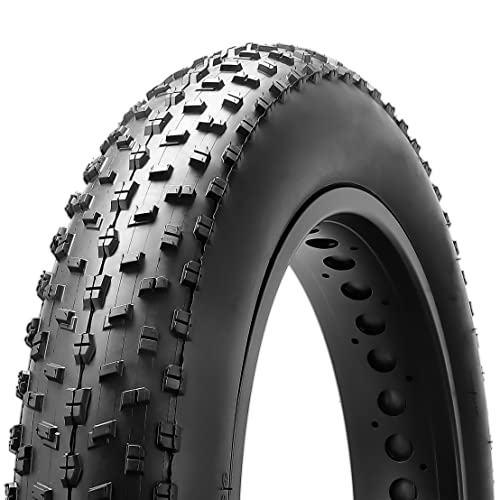
MOHEGIA’s 26×4.0 fat tire is built for adverse winter conditions, featuring a 30 TPI casing and an aggressive tread pattern designed to maximize traction on pavement, loose dirt, and packed snow. The wide tire volume helps stabilize steering and reduce rolling resistance, while offering a balance of grip and speed. Inflation guidance at around 20 PSI supports a stable ride with responsive turning in snow and slush.
Bakcou Fat Tire Snow Straps Set

Bakcou’s Set of 20 Studded Straps is designed to outfit fat tires for winter traction. These winter traction studs are intended to grip snow and ice, helping maintain speed control on challenging surfaces. Compatible with fat tires about 3.5–4 inches wide, this solution targets riders who encounter icy paths or packed snow and want enhanced bite without changing tires.
Allscape 26×4.0 Fat Bike Tires – 2 Pack

Allscape tires from Happy Ebikes emphasize durability and versatility. The 26×4.0 fat tires employ a directional tread that improves stability on snow, sand, and mixed terrain, with puncture resistance and robust rubber construction. The design aims to offer reliable cornering and predictable handling as temperatures drop and surfaces vary from ice to compacted snow.
Fincci Pair 26×4.0 Fat Bike Tires
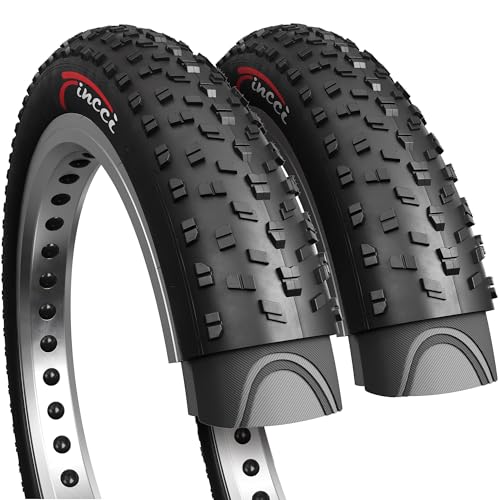
Fincci’s 26×4.0 fat tires are designed to fit standard fat rims with 30 TPI casing and Kevlar bead for added puncture resistance. The tread pattern and wide lugs provide good traction on snow, sand, and gravel, making them suitable for ebike platforms and mountain bikes alike. Reinforced sidewalls offer durability under variable winter conditions and rough trails.
ULTRAVERSE 26×4 E-Bike Fat Tire

Ultraverse Fat Tire delivers all-terrain performance with anti-puncture technology and a resilient 26×4.0 tire. The tire is described as highly adaptable for mountain bikes, electric bicycles, snowmobiles, and other bike types, making it a versatile choice for riders who encounter varied winter surfaces. Its all-weather, road-to-trail design emphasizes stability and grip under diverse conditions.
BALINGE 2 Pack Fat Tire for Ebike Mountain Bike
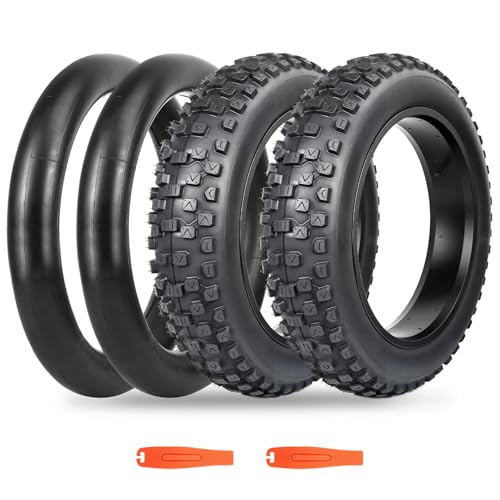
BALINGE offers a 2-pack of fat tires designed for ebikes and mountain bikes, with a focus on wear resistance and durable performance in snow and mixed terrains. The tires aim to provide reliable shock absorption and grip across winter riding surfaces, with a straightforward installation process noted for fat tire setups.
Buying Guide: Key Considerations For Snow Riding And Fat Tires
- Terrain and traction: Snow, ice, sand, and wet pavement require different tread patterns. Look for tires with aggressive, wide lugs or directional tread that provide bite without excessive rolling resistance.
- Width and compatibility: Most 26×4.0 tires fit standard fat bike rims; confirm your rim width and tire bead type (Kevlar or standard) before purchasing.
- Durability and puncture resistance: Winter riding increases exposure to sharp ice and debris. Tires with reinforced sidewalls and puncture-resistant cores help minimize flats.
- Inflation and ride feel: Higher pressures reduce rolling resistance on hard pack, while lower pressures improve grip on soft snow. Many fat tires operate around 15–20 PSI depending on weight and terrain.
- Versatility vs. dedicated winter tires: Some tires are designed for multi-surface use, offering balanced performance year-round. Others prioritize snow and ice traction, which may affect cornering on pavement.
- Tubeless vs. tubed: Tubeless setups reduce flats from punctures and thorns but require compatible rims and sealant. Tubed tires are easier to install but can be puncture-prone.
- Maintenance: Regular inspection of tread wear, bead integrity, and air pressure helps preserve traction and confidence on icy surfaces.
- Intended use: Consider whether you ride urban commutes, mountain trails, or mixed surfaces; this guides the balance between rolling efficiency and bite.
When selecting a snow-capable fat tire, evaluate how the tread design translates to actual riding conditions in your area. A tire that performs well on packed snow and icy pavement can differ from one optimized for loose powder or soft dunes. Balancing grip with rolling resistance will yield the most consistent performance for winter rides.