For endurance events like a half marathon, energy gels offer a compact source of carbohydrates, electrolytes, and sometimes caffeine that can maintain pace and stave off fatigue. The following five gels balance taste, digestion, and performance, helping runners fuel effectively during training runs and race day.
Each pick prioritizes stomach comfort, absorption speed, and convenient packaging for on-the-go fueling. In addition to flavor, you’ll see variations in sugar sources, electrolyte content, and whether caffeine is included—factors to match your training plan and tolerance. The table below highlights quick highlights for easy comparison.
| Product | Brand | Notable Benefit | Ideal For |
|---|---|---|---|
| GU Original Raspberry Lemonade | GU | 100 calories; dual maltodextrin and fructose for steady energy | |
| GU Roctane Ultra Endurance Gel | GU | 100 calories; 1425 mg amino acids; enhanced endurance support | Longer efforts and back-to-back workouts |
| Huma Chia Energy Gel | HÜMA CHIA ENERGY GEL | Real-food ingredients; fruit puree; chia seeds; gluten-free | Stomach-friendly, natural-carbohydrate fueling |
| Huma Plus Chia Energy Gel | HÜMA CHIA ENERGY GEL | Double natural electrolytes; sea salt-based sodium | Endurance with higher electrolyte needs |
| Neversecond C30 Energy Gel | NeverSecond | 30 g energy per gel; 200 mg sodium; easy-to-consume thin gel | Convenient fueling for tempo efforts and races |
GU Original Raspberry Lemonade Gel

The Original GU Gel is a dependable option for half-marathon pacing. Each 100-calorie serving provides fuel from two carbohydrate sources—maltodextrin and fructose—so absorption remains steady even as pace picks up. The formulation is vegan, gluten-free, kosher, and dairy-free, making it compatible with a wide range of dietary needs. Rely on it for training runs or race-day fueling by taking a packet a few minutes before your run and then every 45 minutes during activity. The raspberry-lemonade flavor is designed to be palatable even on long efforts, helping you maintain cadence without stomach distress.
Packaging is compact and portable, enabling quick access without interrupting stride. Its electrolyte content supports hydration during moderate-intensity work and longer sessions, reducing the risk of cramping. For runners who prefer a conventional gel with a familiar taste, this option delivers consistent performance and straightforward timing for half-marathon strategies.
GU Roctane Ultra Endurance Gel
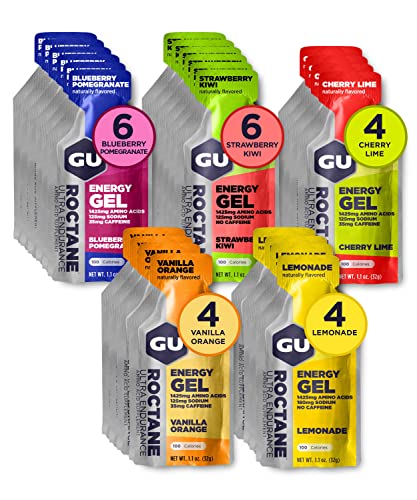
Roctane is designed for athletes facing extended efforts or repeated workouts. Each serving still offers 100 calories, but the standout feature is an elevated amino acid profile—about 1425 mg per gel—that helps reduce muscle damage and mental fatigue during long runs, hikes, or cycling sessions. The product maintains the dual-source energy system from maltodextrin and fructose, ensuring fast yet steady energy delivery. It’s well-suited for half-marathoners who want extra resilience in the late miles, especially in warmer conditions or on aggressive pacing plans.
As with other GU gels, Roctane is convenient to carry and uses a similar on-the-go packet format. While the focus is endurance support, it remains easy to digest for many runners, though those with extremely sensitive stomachs may prefer lighter options early in training. Use it as part of a targeted fueling strategy that emphasizes sustained energy across the latter segments of the race or tougher tempo workouts.
Huma Chia Energy Gel

Huma’s Chia Energy Gel leans on real-food ingredients—fruit puree, chia seeds, and brown rice syrup—to provide a natural carb source. The formula emphasizes digestibility and simplicity, with no dairy or gluten, and it’s vegan-friendly. Proponents of real-food fueling appreciate the absence of artificial additives, and many runners report smoother stomach comfort compared with more synthetic gels. This option is ideal for half marathon training days when you want fueling that aligns with a clean-eating approach without sacrificing performance.
The taste profile is often praised for leveraging real fruit flavors, plus the chia adds a touch of texture without creating paste-like consistency. While calorie counts aren’t always stated on packaging, the energy delivery is designed to coincide with steady endurance efforts, helping you sustain pace across the race’s middle miles and into the final stretch.
Huma Plus Chia Energy Gel

Huma Plus builds on the original chia gel by increasing natural electrolytes. Each gel incorporates 240-250 mg of sodium and 50-145 mg of potassium, helping to offset sweat losses during longer training runs or warmer races. The product maintains its real-food core—fruit purees, chia seeds, and natural fruit concentrates—while staying dairy-free, gluten-free, and vegan-friendly. For runners who experience cramping or dehydration issues, the Plus formulation offers added electrolyte coverage without resorting to artificially flavored blends.
Digestibility remains a strength, as the gel uses simple, recognizable ingredients. The emphasis on electrolytes makes this a strong choice for mid-race fueling on days with higher humidity or longer effort, or for athletes who train with a hydration strategy that prioritizes sustained fluid delivery and electrolyte balance.
Neversecond C30 Energy Gel

Neversecond’s C30 Gel offers a lean, fast-energy option designed for athletes who want a dependable energy boost without a heavy texture. Each gel delivers approximately 30 g of energy and includes 200 mg of sodium to support hydration during intense efforts. The formula is designed to be easy to consume with or without water, a practical advantage for runners who prefer simplicity during busy race days or training sessions. The packaging comes in 12 single-serve portions, making it simple to plan intake around the halfway point and beyond.
The texture is described as a thin gel rather than paste-like, which can reduce the likelihood of gastric distress for some athletes. This option is suitable for tempo runs and half-marathon efforts when you want a straightforward, lightly flavored energy gel that won’t risk stomach upset but still provides reliable fueling.
Buying Guide
Choosing the right energy gel for a half marathon involves balancing energy delivery, digestion, electrolyte needs, and personal preferences. Below are key purchase considerations, along with how the listed options stack up against typical needs for race day fueling and training cycles.
Energy Source and Calorie Profile
Most gels provide around 100 calories per serving, sourced from combinations such as maltodextrin and fructose (or glucose in some real-food gels). If you’re training multiple days per week, you may prefer consistency in calories per gel for predictable fueling. Gels like Neversecond C30 offer a thinner, easier-to-consume energy delivery, while Roctane emphasizes amino acids for endurance support. Real-food options like Huma Plus and Huma Chia provide calories through fruit-based ingredients and syrups, which some athletes find gentler on the gut.
Electrolyte Content
Sodium and potassium play crucial roles in hydration and muscle function. Some gels skew toward higher electrolyte content (e.g., Huma Plus with doubled electrolytes; Neversecond products with sodium-focused formulations). If you often race in warm conditions or sweat heavily, choosing gels with sodium in the 200–250 mg range per serving can support hydration alongside fluid intake.
Digestibility and Texture
Digestibility varies by formulation. Real-food gels like Huma may be easier on stomachs for athletes sensitive to artificial sweeteners or heavy pastes, whereas some runners prefer the uniform texture of traditional GU gels. Thin gels (such as Neversecond C30) can be easier to swallow during fast-float running, while paste-like options may require a bit more water. Test during training to determine which texture suits your cadence and tolerance on race day.
Caffeine and Stimulants
Caffeine-containing gels provide an alertness boost and potential performance benefits, but they can also raise heart rate or cause jitters in some athletes. Neversecond C30+ includes caffeine, offering a choice for those who want an extra mental edge in the late miles. If you’re caffeine-sensitive or have a late-half marathon start time, plan carefully and avoid stacking caffeine from multiple sources in the hours before the race.
Dietary Restrictions and Allergens
Allergies or dietary choices matter for half-marathon fueling. Several options are vegan, gluten-free, and dairy-free (such as GU Original, Huma Chia, and Huma Plus). If you follow a strict diet, review ingredient lists for fruit bases, seed content, and any potential cross-contamination concerns. Real-food gels can be a good fit for athletes seeking natural ingredients and cleaner labels.
Portability and Packaging
Single-serving pouches are standard for easy on-the-go fueling. Consider how you’ll carry gels on training runs and race day: shorts pockets, race belts, or hydration packs. The Neversecond line emphasizes a consistent 12-pack format for predictable scheduling, while GU and Huma products offer flexible options for mid-run fueling without bulk. Test your chosen brand in longer workouts to confirm access and timing without disrupting rhythm.
Putting It All Together: A Simple Strategy
1) Determine your typical half-marathon pacing and estimate fueling windows—most runners benefit from a gel every 20–40 minutes after an initial warm-up period. 2) Choose one or two gels that align with your tolerance (digestibility) and electrolyte needs, then practice with them during long runs. 3) Consider a caffeine option for late-race fueling if you tolerate caffeine well and you’re aiming for a quicker finish. 4) Always hydrate with water alongside gels to aid absorption and prevent gastric discomfort. 5) Rotate flavors or brands across training cycles to prevent palate fatigue during long events.
In summary, the best energy gels for a half marathon blend reliable energy delivery with digestion-friendly formulas and appropriate electrolyte support. The five selections above cover a spectrum from traditional energy gels to real-food-based options and electrolyte-rich formulas, offering choices that can be matched to your training plan, climate, and personal tolerances. Use this guide to structure a fueling strategy that keeps you strong through the middle miles and across the finish line.