Cadence sensors measure pedaling speed to help cyclists optimize effort, efficiency, and endurance. The right sensor can seamlessly integrate with training apps, bike computers, and GPS devices, providing real-time data on pedal revolutions per minute (RPM) and speed. This guide highlights five standout options, spanning magnet-free designs, dual-sensor bundles, and multi-protocol models. Each pick is evaluated for accuracy, connectivity, ease of installation, and compatibility with popular platforms like Zwift, Peloton, and Wahoo Fitness ecosystems.
| Product | Brand | Key Focus | Connectivity |
|---|---|---|---|
| Wahoo RPM Cadence Sensor | Wahoo Fitness | Cadence and speed, dual-band tech | ANT+, Bluetooth |
| Garmin Speed Sensor 2 & Cadence Sensor 2 Bundle | Garmin | Self-calibrating speed + cadence, magnet-free | ANT+, Bluetooth |
| CYCPLUS C3 X 2 | CYCPLUS | Two sensors for speed and cadence, multi-protocol | Bluetooth, ANT+ |
| COOSPO BK9C Cadence Sensor | COOSPO | Accurate cadence data, IP67, long life | Bluetooth, ANT+ |
| MOOFIT Speed/Cadence Sensor | moofit | Dual-protocol speed and cadence, long standby | Bluetooth, ANT+ |
Wahoo RPM Cadence Sensor
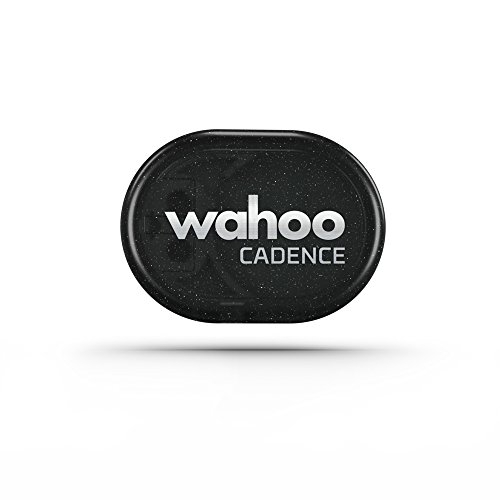
The Wahoo RPM cadence sensor captures both speed and cadence data in real time and transmits it to compatible training apps via Bluetooth and ANT+. It supports integration with Wahoo’s SYSTM and RGT platforms, as well as third‑party apps such as Zwift and Peloton Digital on iOS devices. The device focuses on cadence as the primary metric—revolutions per minute—allowing cyclists to adjust pedal tempo for efficiency and distance coverage. Its dual-band capabilities minimize drops in data when cycling with a variety of sensors and displays. Installation is straightforward on most bike setups, and it pairs quickly with most smartphones, tablets, and bike computers.
Real-world use benefits include targeted cadence improvements, smoother pedal strokes, and longer sustained efforts at higher RPMs without sacrificing control. The compact form factor minimizes drag and weight while preserving a clean look on the crank or frame. The sensor is designed for use across outdoor riding, spin classes, and home trainers, making it a flexible option for mixed training routines. If a rider is already within the Wahoo ecosystem, this sensor offers particularly seamless integration with Wahoo’s training suite and supported third‑party apps.
Garmin Speed Sensor 2 & Cadence Sensor 2 Bundle

Garmin’s speed sensor 2 attaches to a wheel hub, and its cadence sensor 2 clips to any crank arm. Both units self-calibrate with compatible Garmin devices or edge computers and deliver precise speed, distance, and cadence data. This bundle underscores magnet-free installation, making setup quick and clean across multiple bikes. ANT+ and Bluetooth Low Energy support ensures compatibility with a wide range of devices and apps, including Garmin’s own ecosystem and third-party platforms. The cadence sensor measures pedal strokes per minute to maximize training efficiency, while the speed sensor tracks real-time velocity and distance, enabling robust data visualization on compatible devices and apps.
Ideal for riders who want a simple, reliable, magnet-free solution that works across multiple bikes and training scenarios. The dual-sensor approach helps maintain consistent data across road, mountain, and indoor setups. Garmin’s ecosystem often means easy data syncing with Strava, Garmin Connect, and other training dashboards. For users who value seamless Garmin compatibility and straightforward installation, this bundle provides a dependable baseline for cadence and speed tracking without the clutter of magnets or complex mounting schemes.
CYCPLUS C3 X 2 Cycling Speed & Cadence Sensor
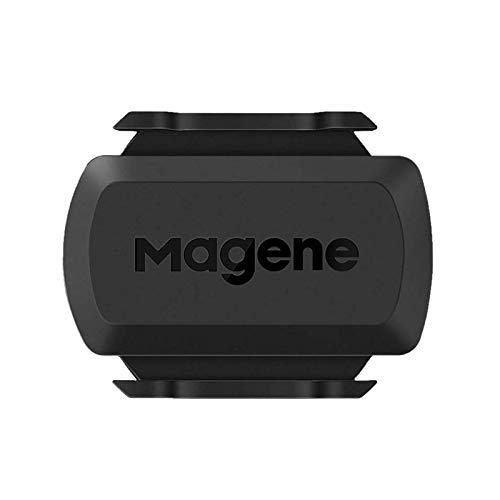
The CYCPLUS C3 X 2 kit includes two sensors designed for speed and cadence data capture, with a practical emphasis on modular use. One sensor can be set to either speed or cadence mode, meaning you’ll typically deploy two units if you want full coverage of both metrics simultaneously. The system supports both Bluetooth and ANT+ protocols, enabling connections to a wide array of devices and apps. When using Bluetooth, a single sensor can connect to one app or device at a time; in contrast, ANT+ can pair with multiple devices concurrently. The compact sensors are very light and offer long endurance, with a sleep mode that conserves battery when not in motion.
These sensors suit riders who want flexible multi‑device compatibility and a budget-conscious path to dual‑mode data. The trade-off is the need for two units to monitor both speed and cadence in real time via Bluetooth, which can be less convenient for some setups. However, ANT+ support makes it easy to broadcast data to several displays or training apps at once, which can be advantageous when using a trainer, bike computer, and phone simultaneously.
COOSPO BK9C Cadence Sensor

COOSPO’s BK9C cadence sensor offers precise RPM measurements with compatible Bluetooth 5.0 and ANT+ connectivity. The device is designed for reliable performance across cycling apps and GPS bike computers, helping riders gauge cadence in real time. The sensor’s IP67 rating ensures resistance to dust and water exposure, making it suitable for varied weather and riding conditions. Battery life is designed to be long-lasting, minimizing the need for frequent replacements during extended training blocks. It’s compatible with popular apps and platforms including Wahoo, Peloton, and various GPS cycling ecosystems, giving riders flexible data access across devices.
With a straightforward mounting approach and broad compatibility, BK9C is a strong option for riders who want a single cadence sensor that works well with multiple devices. The emphasis on waterproofing and durable construction makes it appealing for daily training, weather resilience, and consistent cadence tracking across different bikes and setups.
MOOFIT Speed & Cadence Sensor

The Moofit dual-protocol sensor package provides both speed and cadence data, with two sensors operable simultaneously. It supports ANT+ and Bluetooth, allowing broad compatibility with bike computers, training apps, and smartwatches. The design emphasizes compact size and light weight, reducing any perceived burden during rides. Battery endurance is highlighted with a long standby time, and the system features sleep mode when not in motion to save power. The kit is marketed as compatible with a wide range of popular apps and devices, including Wahoo Fitness, Rouvy, CoospoRide, and Peloton—helping cyclists consolidate their data across different training environments.
For riders who value a flexible, budget-friendly dual-sensor approach, MOOFIT offers strong integration across multiple ecosystems. The dual-sensor setup minimizes data gaps when alternating between speed tracking and cadence analysis, and the broad app compatibility supports diverse training workflows. Battery life and automatic sleep mode are practical benefits for long sessions or daily training routines.
Buying Guide
Key purchase considerations
When selecting a cadence sensor, start with compatibility. Check whether the sensor supports ANT+ and Bluetooth Low Energy, and ensure it will work with your bike computer, phone, or trainer. Consider whether you need a single sensor that covers both speed and cadence or a dual-sensor setup for simultaneous data on both metrics. Installation simplicity matters, especially if you ride multiple bikes or switch between outdoor and indoor setups. Mounting should be robust yet reversible, with magnets avoided when possible to simplify transfers between bikes.
Data accuracy and calibration
Look for sensors that self-calibrate or offer straightforward calibration within the companion apps. Cadence accuracy to within a few RPM is typical for reputable models and is essential for meaningful training insights. Some sensors advertise ±1 rpm or similarly tight tolerances, which can be beneficial for precise tempo training and race simulations. Always confirm how the device handles data latency and dropouts during hard efforts or steep climbs.
Connectivity and ecosystem
Multi‑protocol options (ANT+ and Bluetooth) improve compatibility with a broad set of devices and apps. If you already use Garmin, Wahoo, Peloton, Zwift, or Strava, verify that the sensor integrates smoothly with those platforms. Some models broadcast data to several displays or apps at once via ANT+, while others pair primarily to a single device via Bluetooth. Consider whether you want a sensor that lives on a single bike or a magnet-free solution you can easily move between bikes with minimal setup.
Durability and weather resistance
Riders training in varied weather will benefit from IP ratings (such as IP67) and robust housing. Waterproofing helps guard electronics against sweat, spray, and rain. Battery life is another practical factor; longer life reduces maintenance during long training blocks. Some sensors include sleep modes to conserve power when the bike isn’t moving, which is especially helpful for casual riders or those using trainers for longer sessions.
Data integration and app support
Consider how your cadence and speed data will be used after rides. If you rely on Strava, TrainingPeaks, or Garmin Connect, ensure the sensor can export or sync data cleanly. App compatibility varies across brands; some sensors are best paired with their own brand apps, while others offer broader third‑party support. If live data overlays on simulations or virtual rides matter to you, verify real-time data reliability and latency with your preferred platform.
Cost, warranty, and long-term value
Prices vary across models, but the value comes from accuracy, ease of use, and ecosystem compatibility. A magnet-free setup often saves time during installation and cross-bike transitions. Warranty length and customer support quality are worthwhile considerations, especially for riders who depend on cadence data for structured workouts or endurance plans. Balance upfront cost against how frequently you train across multiple bikes and environments to determine the best long-term option.