Balance pads provide an unstable yet controlled surface that helps build core strength, improve proprioception, and enhance overall stability during workouts. Suitable for yoga, physical therapy, and fitness routines, these pads support joints while challenging balance and coordination. Below is a curated guide to five highly regarded balance pads, each chosen for durability, grip, and comfort. A quick buying guide follows to help you compare size, material, and stability features.
| Product | Brand | Size | Key Benefit |
|---|---|---|---|
| ProsourceFit Exercise Balance Pad – Non-Slip Cushioned Foam Mat & Knee Pad | ProsourceFit | 15.5” x 12.75” | Unstable surface for balance and core work; great for rehab and beginners |
| ProsourceFit Exercise Balance Pad – Large 15″ x 19″ | ProsourceFit | 15” x 19” | More surface area for larger poses and multiple users |
| StrongTek Professional Foam Balance Pad | StrongTek | 15.8” x 13” x 2” | High-density foam for stable support and deep balance work |
| Yes4All Balance Pad Massage/Yoga Pad | Yes4All | XL size (Purple) | Comfortable cushion with versatility for therapy and daily activities |
| AIREX Balance Pad | AIREX | Standard size (non-specified in table) | Textured non-slip surface for reliable grip during rehab and exercise |
ProsourceFit Balance Pad 15.5″ x 12.75″
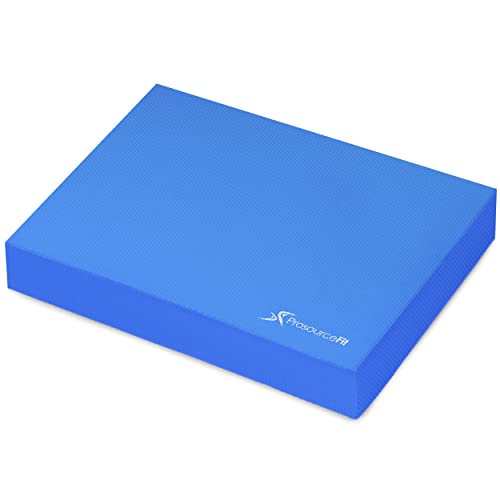
The ProsourceFit Balance Pad with non-slip, cushioned foam creates an unstable surface that challenges balance and core strength. It supports rehabilitation by strengthening feet and ankles after injuries and is suitable for all fitness levels. The environmentally friendly TPE material is sweat-proof, slip-resistant, and easy to sanitize after workouts or yoga sessions. Its compact size makes it easy to transport to the gym or studio, while the cushioning protects knees during kneeling exercises.
Ideal uses include balance training, stability work, and functional movements that require ankle and knee support. Athletes seeking an edge in stability training can rely on the pad to stimulate proprioceptive feedback without sacrificing comfort. For those new to balance training or returning from an injury, this pad provides a controlled challenge that scales with effort.
ProsourceFit Balance Pad – Large 15″ x 19″

This larger ProsourceFit balance pad expands the surface area to accommodate more challenging poses and permit simultaneous drills. It maintains a non-slip, non-toxic surface that’s easy to clean after intense sessions. The increased footprint supports wide stances, dynamic balance drills, and seated balance work, making it suitable for physical therapy routines and yoga sequences that require a stable base with a gentle challenge.
With the same focus on stability and safety, this pad enables gradual progression from beginner to advanced balancing tasks. Its durability is well-suited for home gyms and rehabilitation settings where repeated use is common. Users can tailor exercises from simple weight shifts to complex multi-directional movements, all while preserving joint comfort.
StrongTek Balance Pad

The StrongTek Professional Foam Balance Pad uses high-density TPE foam to provide stable, knee-friendly support during balance training, rehab, yoga, and Pilates. Its textured, non-slip surface enhances grip, even during sweaty sessions, while the generous 15.8″ x 13″ footprint gives ample room for core-focused poses and functional movements. The pad’s thickness delivers cushioning that reduces joint stress during kneeling or crawling drills, making it suitable for all fitness levels.
Users can perform unilateral balance challenges, step-through transitions, and multi-planar motions with confidence. The pad’s size and density strike a balance between stability and challenge, enabling progression from simple to more demanding routines as balance improves. It’s a versatile option for home gyms and clinics alike where durable construction is valued.
Yes4All Balance Pad Massage/Yoga Pad

The Yes4All balance pad emphasizes comfort and versatility. Its TPE foam cushions the body during strength training, yoga, Pilates, and daily activities, reducing joint impact while improving balance and coordination. The cushion’s softness supports long sessions without causing discomfort, while its adaptable surface can be used as a desktop mat for standing or kneeling tasks, making it practical for home and office use.
Designed for rehabilitation and ongoing fitness, this pad is suitable for older adults, beginners, or anyone seeking a gentler introduction to balance training. The lively purple color also helps with visual cues during routines, aiding motivation and focus. Whether used for therapy or personal workouts, it delivers a stable base with cushioning that supports progression.
AIREX Balance Pad
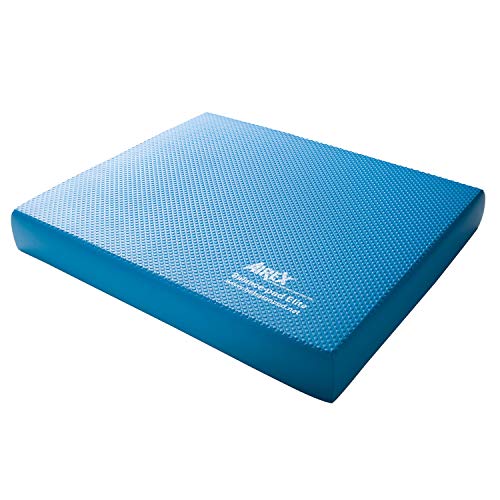
The AIREX Balance Pad is a lightweight, non-slip foam pad designed for physical therapy, balance training, and mobility work. Its textured surface provides reliable grip, while the closed-cell foam offers durable cushioning that supports joints during kneeling, stretching, and core workouts. The pad is widely recommended by trainers for home rehab and gym-based stability training, helping users improve ankle, knee, and hip stability.
Thanks to its portability and sturdy construction, the AIREX pad can accompany users through various stages of rehabilitation and fitness. Its non-slip texture helps maintain form during challenging poses, and its buoyant, closed-cell foam resists absorbing sweat and moisture, simplifying cleaning and maintenance between sessions.
Buying Guide: Key Purchase Considerations And Comparisons
- Size and surface area: Larger pads provide more room for complex poses and multi-directional movements, while smaller pads offer a quicker recovery and easier storage. Choose based on your typical routine and space.
- Material and density: High-density foam or TPE foam balances support and cushioning. Denser pads reduce excessive compression and offer longer-lasting stability, especially for frequent use.
- Grip and texture: A non-slip surface with a textured or waffle pattern improves grip when sweating or performing barefoot. A secure surface reduces the risk of slipping during dynamic movements.
- Portability and storage: Thicker pads or those with a heavier build may be less portable. If you travel to classes or train in multiple spaces, consider lighter options with easy storage.
- Durability and cleaning: Look for materials that resist wear and are easy to wipe down. Non-toxic, sweat-proof surfaces extend pad life and maintain hygiene between sessions.
- Versatility: Some pads double as massage or kneeling mats, enhancing their value for rehab, yoga, and daily activities beyond strict balance training.
- Intended users: Pads vary in suitability for beginners, athletes, older adults, or rehab patients. Consider your current fitness level and any rehab needs when selecting.
- Price vs. value: Higher-density pads often cost more but can offer longer lifespans and better support. Weigh durability, warranty, and intended use when deciding.
Across the options, all five products emphasize stability, knee and ankle support, and ease of cleaning. Depending on your space, preferred exercise style, and the level of balance challenge you want, any of these pads can fit into a regular training routine or rehabilitation program. When combining pads with complementary equipment—such as resistance bands, stability balls, or yoga blocks—you can create varied, progressive workouts that target balance, flexibility, and functional strength.