Basketball is demanding on young ankles, making a reliable ankle brace a smart accessory for injury prevention and faster recovery. This guide highlights five youth-focused options designed to fit small feet, stay comfortable during practice and games, and provide dependable support without hindering mobility. Each pick comes from brands with child-specific sizing and adjustable features to tailor tightness and stability for growing athletes.
| Product | Brand | Key Benefit |
|---|---|---|
| BraceAbility Elastic Ankle Support Brace – Youth | BraceAbility | Latex-free, low-profile compression for flexible protection |
| BraceAbility Lace Up Kids Ankle Brace (XS) | BraceAbility | Figure-eight design with adjustable straps for customized fit |
| Med Spec ASO Ankle Stabilizer (Large) | Med Spec | Secure figure-8 wrap for strong, inside-shoe fit |
| BraceUP Kids Ankle Brace (S) | BraceUP | Adjustable Velcro compression for active daily wear |
| COZYEXPR Kids Ankle Brace (2-Pack) | COZYEXPR | Breathable neoprene, left/right compatibility for kids |
BraceAbility Elastic Ankle Support Brace – Youth
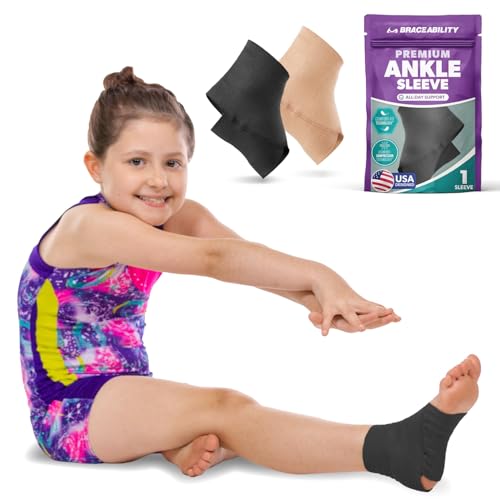
The BraceAbility Elastic Ankle Support Brace for youth is a pull-on sleeve designed for comfort and flexible compression. It uses latex-free elastic with a low-profile profile, suitable for wear with or without socks. The sizing chart in the images helps match US shoe size to ensure a secure, non-restrictive fit ideal for activities like basketball, gymnastics, running, and daily play. This option emphasizes lightweight support while allowing natural movement.
BraceAbility Lace Up Kids Ankle Brace – XS
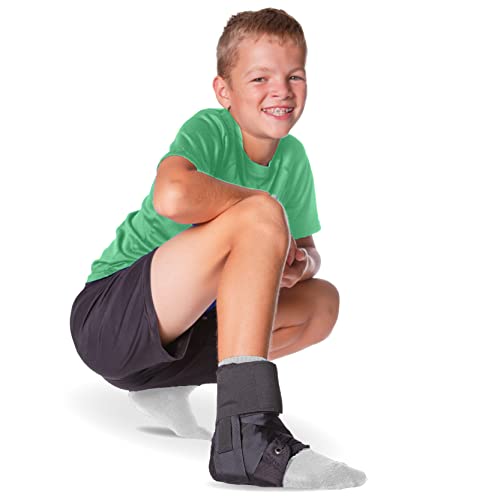
This pediatric figure-eight brace uses adjustable straps and laces to provide a customizable fit. It is designed to support sprained ankles and reduce excess ankle motion, helping with prevention during youth sports like basketball, soccer, and gymnastics. The design aims to simplify application and eliminate the need for taping, making it suitable for everyday activities and competitive play alike. It accommodates a range of active young athletes who require dependable ankle stabilization.
Med Spec ASO Ankle Stabilizer – Large

The Med Spec ASO Ankle Stabilizer is a trusted option for recovery and prevention. With figure-8 strap design and robust stabilization, it supports sprains, ligament or tendon injuries, and chronic instability. It’s widely recommended by athletic trainers and doctors for basketball, football, volleyball, and more. The brace is designed to fit inside most shoes, providing secure support without sacrificing the ability to play with proper alignment and controlled movement.
BraceAbility Lace Up Kids Ankle Brace – Small
Another youth-oriented option from BraceAbility, this lace-up kid ankle brace offers a customizable fit with adjustable straps. It is designed for active children and aims to prevent further injury while supporting daily activities and sports like basketball, soccer, and volleyball. The size selection is guided by the child’s US shoe size to ensure a snug and secure feel during play.
BraceUP Kids Ankle Brace – S

The BraceUP Kids Ankle Brace is designed for youth, offering adjustable Velcro straps for secure compression. It is intended for left or right ankles and comes in small sizes suitable for children from about 4 to 11 years old. The brace emphasizes comfort and stability for everyday wear and athletic activities like basketball and running, helping to reduce the risk of injuries during dynamic moves.
COZYEXPR Kids Ankle Brace – 2 Pack
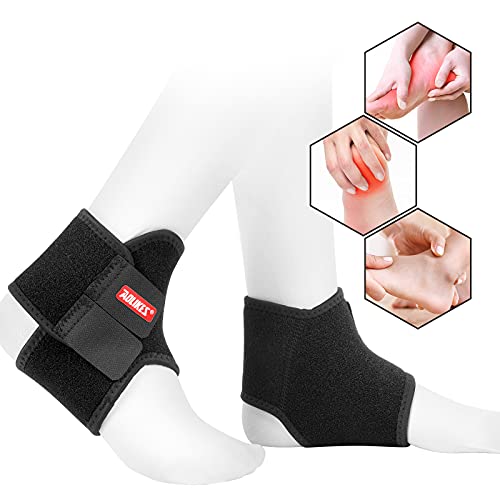
The COZYEXPR two-pack provides breathable neoprene ankle stabilizers designed for kids. They feature adjustable straps and left/right compatibility, enabling flexibility in pairing for both ankles or rotation between braces. The breathable fabric helps keep feet dry during practice and games, while the slim profile supports movement in quick cuts and jumps typical of youth basketball players.
Buying Guide: Key Purchase Considerations
- Fit and sizing: Youth braces must be sized to fit smaller feet without restricting range of motion. Look for braces with size charts, adjustable straps, and color-coded sizing.
- Support level: Decide between lightweight sleeves for comfort, or structured braces with figure-8 wraps and lace-ups for greater stabilization during aggressive play.
- Activity compatibility: Choose braces designed for basketball and similar sports (basketball, soccer, gymnastics) to ensure they tolerate quick pivots, jumps, and lateral movements.
- Material and breathability: Neoprene and breathable fabrics help manage moisture and comfort during long practices, ensuring players wear braces consistently.
- Left/right symmetry: Some braces fit either foot, while others are foot-specific. Consider the child’s injury history and comfort with certain configurations.
- Durability and washability: Kids’ braces should withstand frequent wear and washing without losing elasticity or shape.
- Injury prevention vs. recovery: For current injuries, prioritize stabilizing braces; for prevention, a lighter sleeve with adjustable compression can reduce strain during play.
- Ease of use: Simpler pull-on sleeves are quick to put on, while lace-up designs offer customized compression but may take longer to secure.
- In-shoe fit: Ensure the brace fits comfortably inside typical basketball shoes without causing crowding or heel slippage.
When selecting a youth ankle brace for basketball, balance comfort, fit, and the level of support against the child’s specific needs. For ongoing injuries or instability, a brace with firm stabilization and a secure wrap can provide peace of mind during drills and games. For prevention, consider lighter sleeves that encourage movement while maintaining gentle compression. Always consult a pediatrician or athletic trainer if there is a history of ankle injuries or persistent pain during activity.