Finding the right beginner-friendly adventure bike sets a solid foundation for safe, fun riding. This guide highlights five entry-level BMX and mini dirt bikes from familiar brands, designed for kids and new riders. Each bike emphasizes sturdy frames, simple drivetrains, and confidence-building features to help beginners tackle streets, parks, and light trails. Read on to compare key specs and discover practical buying tips to choose the best fit for your young rider.
Summary Of Selected Products
- WEIZE Freestyle BMX Bike, 20 inch — Entry-level, 360-degree rotor, four pegs
- JOYSTAR 20 Inch Kids Bike Freestyle BMX — Beginner-friendly with hi-tensile frame
- JWPEHOE Kids Bike 12/14 Inch — Training wheels, lights, dual brakes
- HH HILAND 20 Inch Freestyle BMX Bike — 360° rotor, four pegs for tricks
- FRP GMB100 Mini Dirt Bike 99CC — Gas-powered option for older beginners
WEIZE Freestyle BMX Bike, 20 Inch

The WEIZE Freestyle BMX Bike is built for first-time riders stepping into urban riding and park tricks. Its hi-tensile steel frame provides durability for beginners learning balance and control. Wide 20×2.40” tires offer a smooth ride and better grip on pavement, reducing the risk of slips on uneven surfaces. A single-speed drivetrain with 170mm forged steel cranks and a 32T chainring simplifies pedaling, making it easier for new riders to power through street and dirt sections.
JOYSTAR 20 Inch Kids Bike Freestyle BMX

The JOYSTAR 20-inch BMX bike is designed for beginner riders, with a hi-tensile frame for reliable support and comfort. The 19.9″ top tube offers a comfortable rider stance, suitable for kids around 4’0″ to 4’8″. Its single-speed drivetrain includes a 165 mm one-piece crank and a 36T chainring, paired with a rear caliper brake and hand-brake levers for precise speed control. This bike suits street, park, and light trail use for new riders.
JWPEHOE Kids Bike With Training Wheels
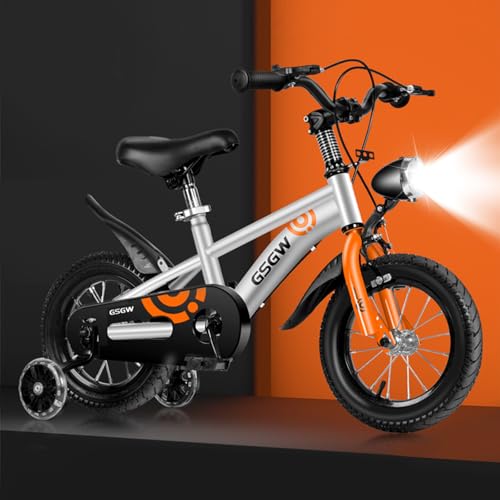
This JWPEHOE bike targets beginner riders with sturdy training wheels for balance as kids learn. It includes glow-in-the-dark lights that activate when wheels spin, adding visibility during dusk rides. A fully enclosed chain guard reduces clothing entanglement risks, while wide tires promote stable handling. The dual braking system provides reliable stopping power, helping young riders develop confidence on various surfaces.
HH HILAND 20 Inch Freestyle BMX Bike

This HH HILAND model focuses on freestyle versatility for kids transitioning from beginner to intermediate. It features a 360° rotor and four pegs, facilitating more dynamic tricks and wheel control. The 19.75″ top tube is sized for younger riders, with a wheelset designed for quick acceleration and smooth handling on streets, parks, or light trails, making it a solid upgrade as skills progress.
FRP GMB100 Mini Dirt Bike 99CC

The FRP GMB100 provides a slightly more advanced option for older beginners interested in motor-assisted adventure. Powered by a 99cc four-stroke gas engine, it reaches up to 28 MPH with an estimated 30-mile range on a small fuel reserve. It features a rechargeable headlight and minimal maintenance requirements, including an easy pull-start ignition. This mini dirt bike is suitable for riders aged 13+ who seek greater performance while maintaining safety considerations.
Buying Guide: Key Purchase Considerations
Choosing the right beginner bike depends on rider age, physical size, and intended riding environments. Consider frame material and weight, wheel size, brake type, and drivetrain simplicity. For younger riders, balance and stability features like training wheels or lower standover heights are important. If the rider intends to try tricks early, a freestyle setup with a gyro rotor and pegs can be inviting but also adds maintenance needs. Gas-powered mini bikes offer more power but require greater supervision and maintenance. Always prioritize proper sizing, helmet compatibility, and safety gear to reduce risk during learning.
Rider Fit and Comfort
Aim for a bike with a top tube length that allows a slight knee bend when feet are on the pedals. Adjustable seat height is valuable as children grow. For balance-focused newbies, consider bikes with lower standover heights and wider pedals for improved footing. Training wheels are a practical bridge for early balance training.
Drivetrain and Brakes
Single-speed drivetrains reduce complexity and maintenance, ideal for beginners. Caliper or V-brakes provide straightforward stopping power. For younger riders, front and rear brakes together give balanced control, while a robust brake lever is essential for confident braking.
Durability and Safety Features
Look for hi-tensile steel or reinforced frames, puncture-resistant tires, and fully enclosed chains on younger bikes to minimize clothing snag hazards. Lighted front headlights, reflectors, and protective gear compatibility help enhance riding safety in lower-light conditions.
Age, Height, and Skill Progression
Match wheel size and frame geometry to the rider’s height. As skills advance, consider models with freeride-friendly features like rotors and pegs. Budget-conscious buyers may prefer a straightforward entry bike now and plan for an upgrade once confidence and abilities grow.
Maintenance and Support
Choose bikes with widely available spare parts and tools. Pre-assembly levels vary; 85% pre-assembled models reduce setup time but still require basic assembly. User manuals and brand support can simplify routine maintenance and basic repairs.